Additive manufacturing

On the agenda
- What is 3D printing?
- The first processes (1974-2000)
- Patents and open source
- The RepRap project
- The consumer era
- The Hype Cycle
- Third places
- And today?
What is 3D printing?
Adding material, layer after layer
Manufacturing by adding material
Additive manufacturing
- Material added in layers
- Complex and hollow shapes
- Very little waste
- Prototypes, small series
Subtractive manufacturing
- Material removed from a block
- Limited tool access
- Chips and offcuts
- Large series, precision
At the start, two processes: FDM (fused filament) and SLA (resin cured by light).
An older idea than you might think
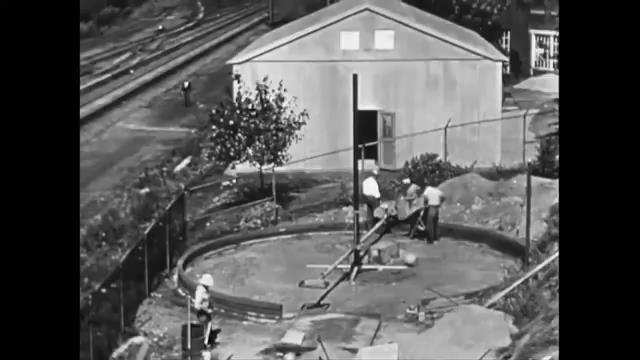
1930s: William E. Urschel raises a building by depositing concrete layer by layer.
The first processes
1974-2000: from idea to industry
A timeline
| Year | Event |
|---|---|
| 1974 | David E. H. Jones describes the concept in an article |
| 1981 | Hideo Kodama: rapid prototyping with resin |
| 1984 | Charles Hull files the stereolithography patent |
| 1986 | Hull founds 3D Systems: first SLA printer sold |
| 1988 | Carl Deckard patents laser sintering (SLS) |
| 1989 | Scott Crump (Stratasys) patents fused filament (FDM) |
| 1992 | DTM sells the first industrial SLS printer |
Until the 2000s, 3D printing remains an industrial tool for rapid prototyping.
The forgotten pioneers of 3D printing
1984
Jean-Claude André, Alain Le Méhauté and Olivier de Witte develop, in France, a process close to stereolithography.
- Their employer, CILAS Alcatel, sees no commercial potential in it
- The patent is abandoned; Charles Hull files his own a few weeks later
The forgotten pioneers of 3D printing
Charles Hull, “father of 3D printing”
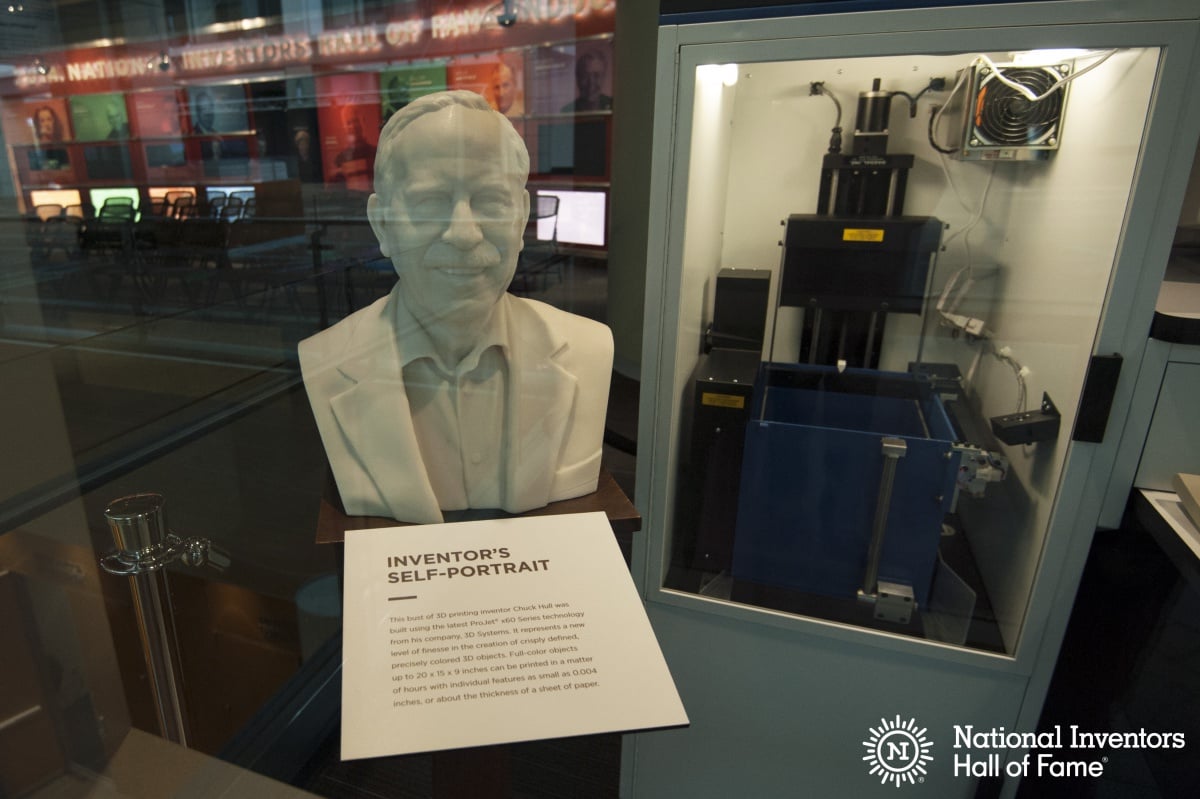
His bust, printed by 3D Systems, near one of the first SLA machines.
Commercialisation and technical progress
The industrial machines of the 2000s
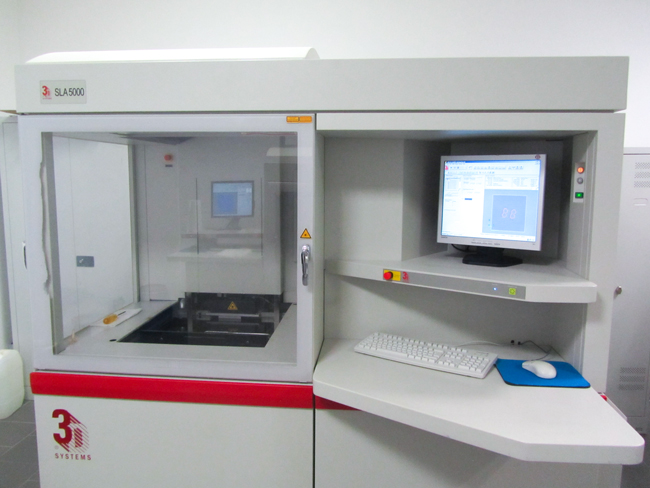
3D Systems SLA 5000 (SLA)
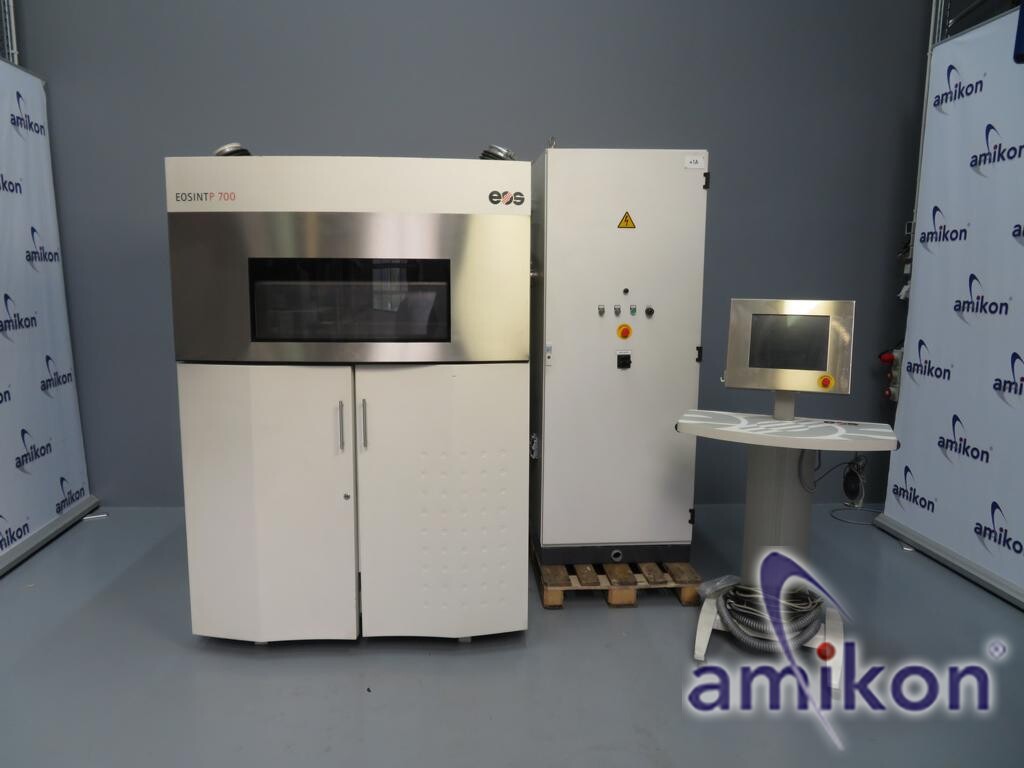
EOSINT P 700 (SLS, 2004)
Examples of machines in the early 2000s
Patents and open source
Protecting an invention, or sharing it
Two ways of moving a technology forward
| Patent | Open source | |
|---|---|---|
| Principle | Temporary monopoly on exploitation | Free sharing of plans and code |
| Duration | 20 years, then public domain | Unlimited |
| Condition | New, inventive, industrially applicable | A free licence |
| Effect | Protects the investment | Speeds up collective innovation |
The two coexist: Prusa Research publishes its plans while protecting some components.
The end of the FDM patents
- 2000: the first FDM patents expire
- 2005: launch of the open-source RepRap project
- 2009: the FDM patents expire completely
Anyone can now build FDM printers: prices collapse.
The RepRap project
The printer that prints itself
RepRap: Replicating Rapid Prototyper
- Launched in 2005 by Adrian Bowyer, University of Bath
- Prints about 50% of its own parts
- Open-source hardware and software
- Goal: make 3D printing affordable for everyone
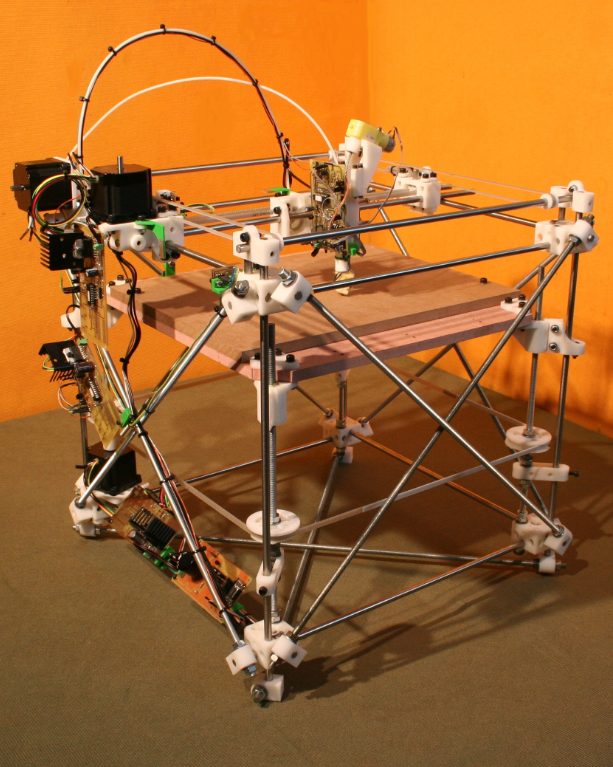
Darwin (2007), the first RepRap
The impact of RepRap
- The catalyst of consumer 3D printing
- The origin of Prusa, a major player in the market
- Hundreds of variants shared online
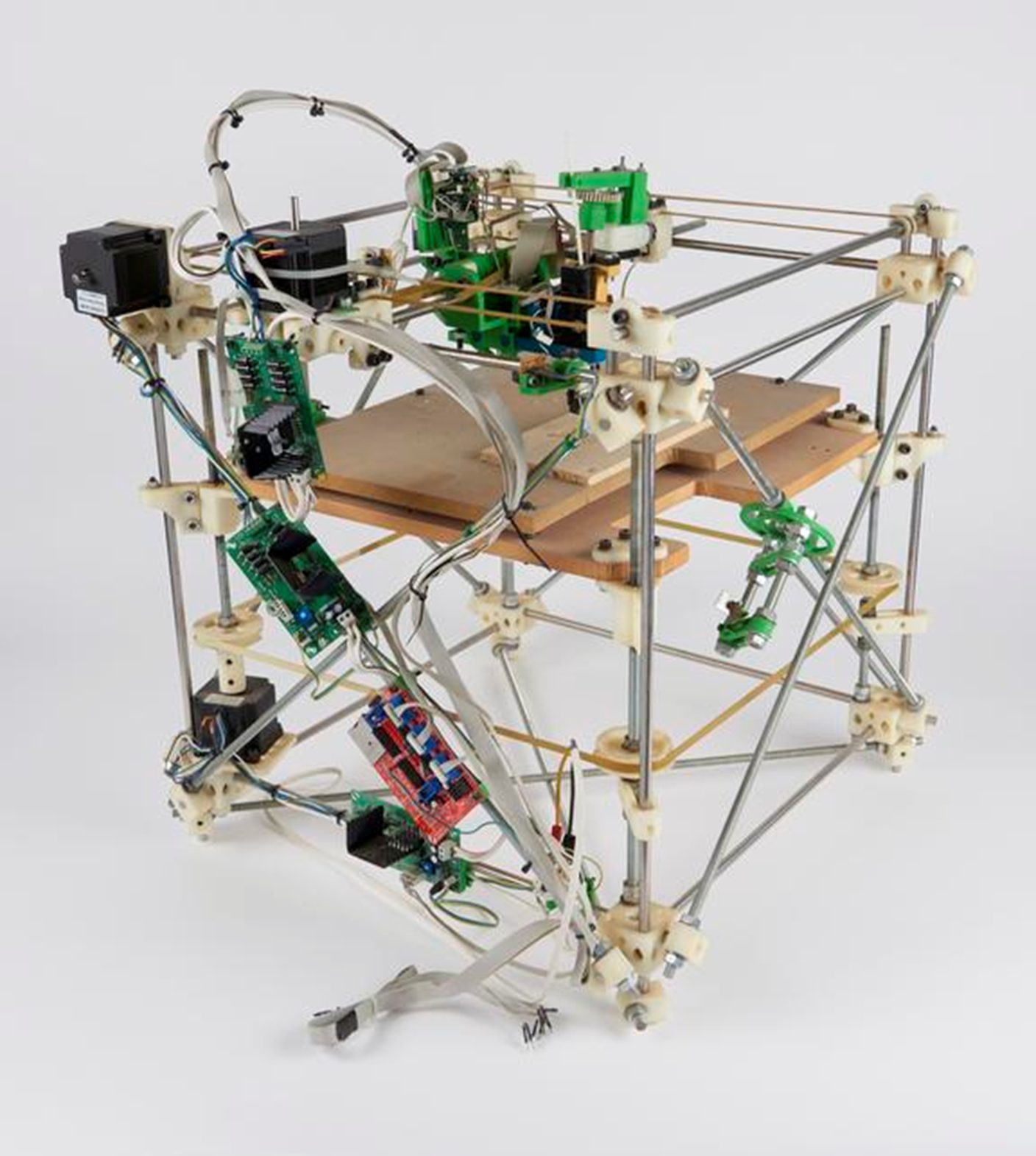
“RepRap is a way for humans to bring machines to those who need them.” Adrian Bowyer
A political project
“So the replicating rapid prototyping machine will allow the revolutionary ownership, by the proletariat, of the means of production.” Adrian Bowyer
- Autonomy: making things without depending on big industry
- Decentralisation: redistributing the means of production
- Sharing: common tools and knowledge, a local economy
The RepRap family
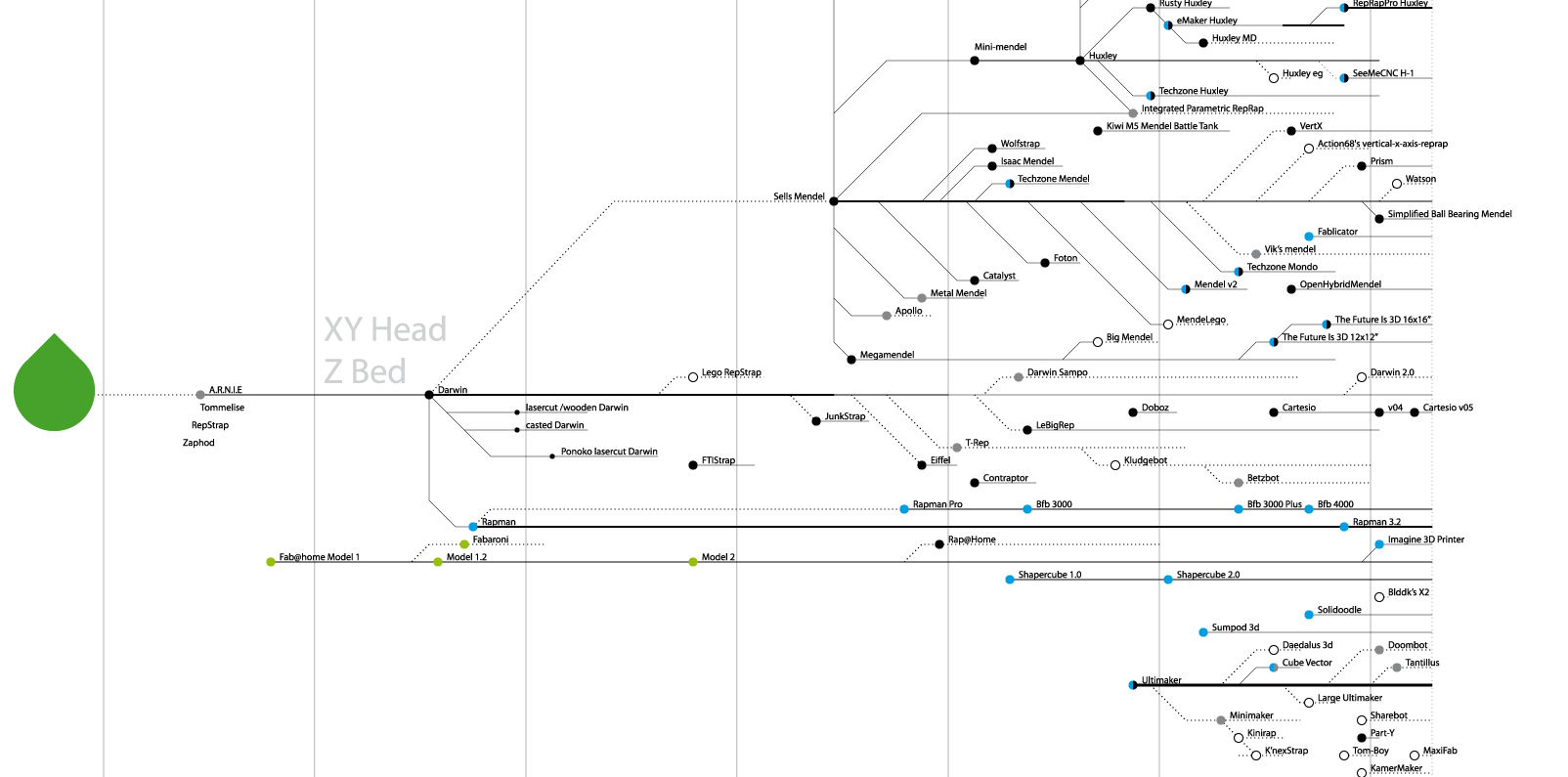
Each model is a “fork”: you take the plans of the previous one, improve them and republish them.
RepRap Family Tree The derived printers
The full tree
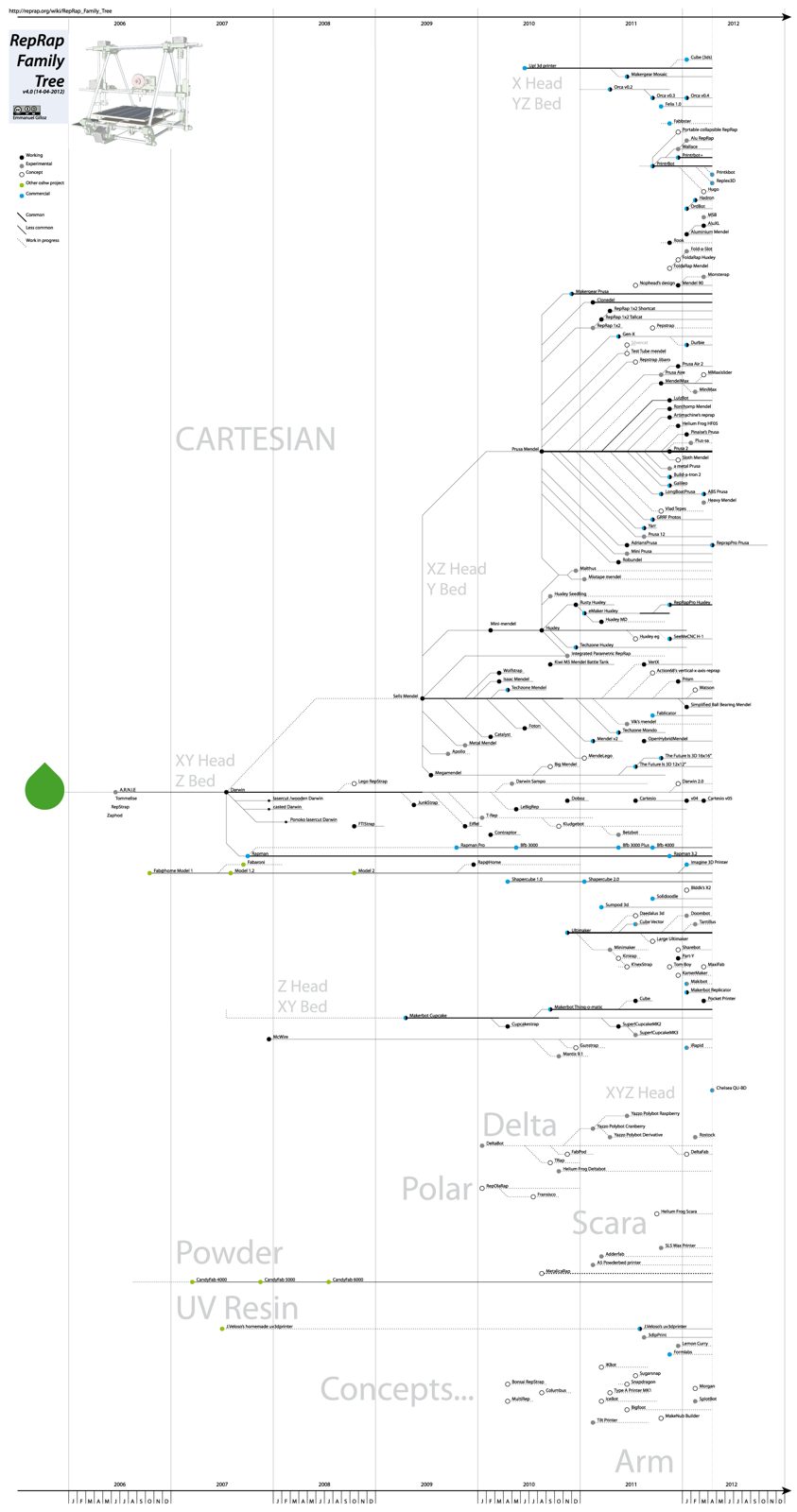
More than a hundred models, all descended from Darwin. Zoom in on the RepRap site to read the names.
Darwin (2007)
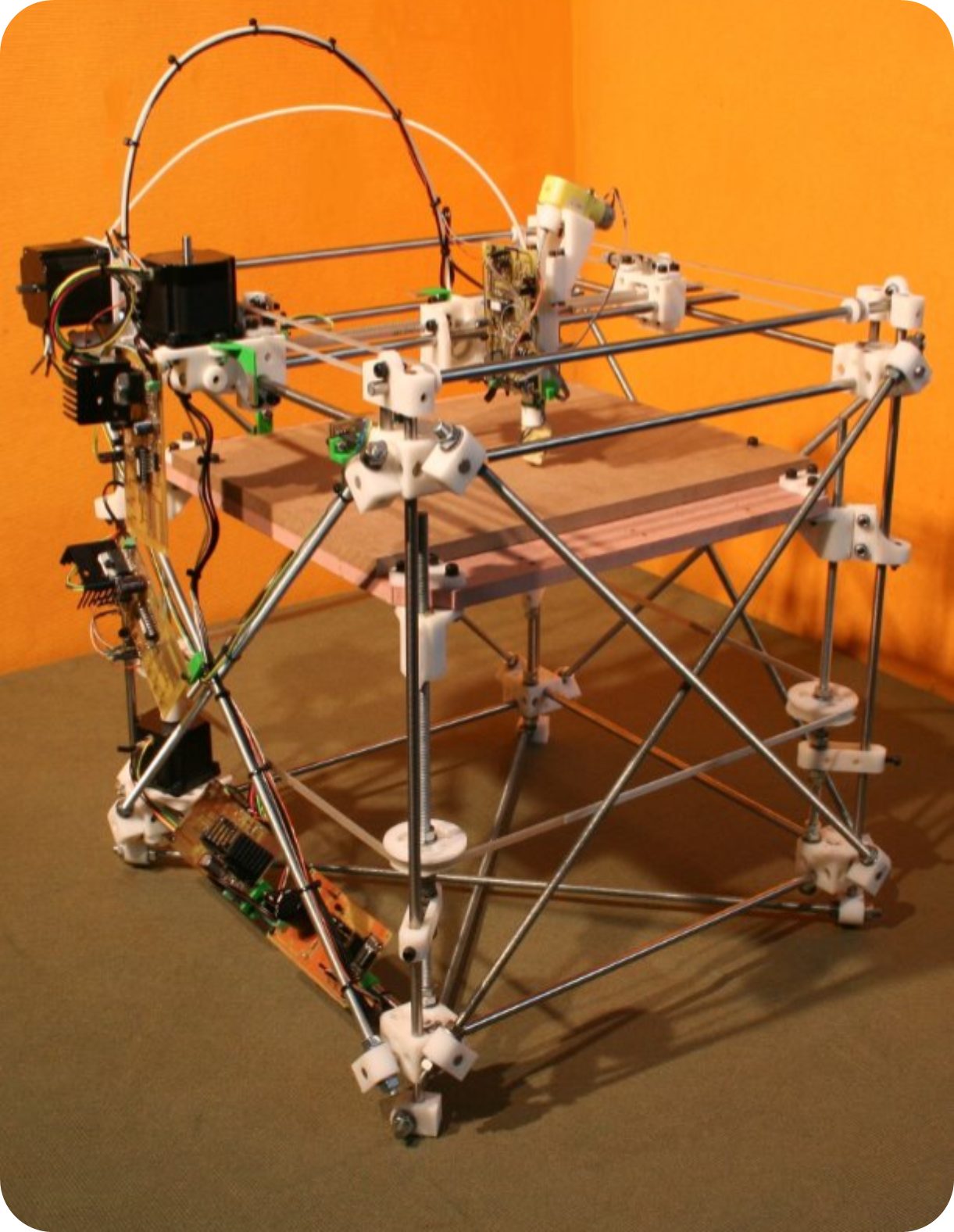
The first self-replicating open-source printer: it paves the way for hundreds of forks.
Mendel (2009)
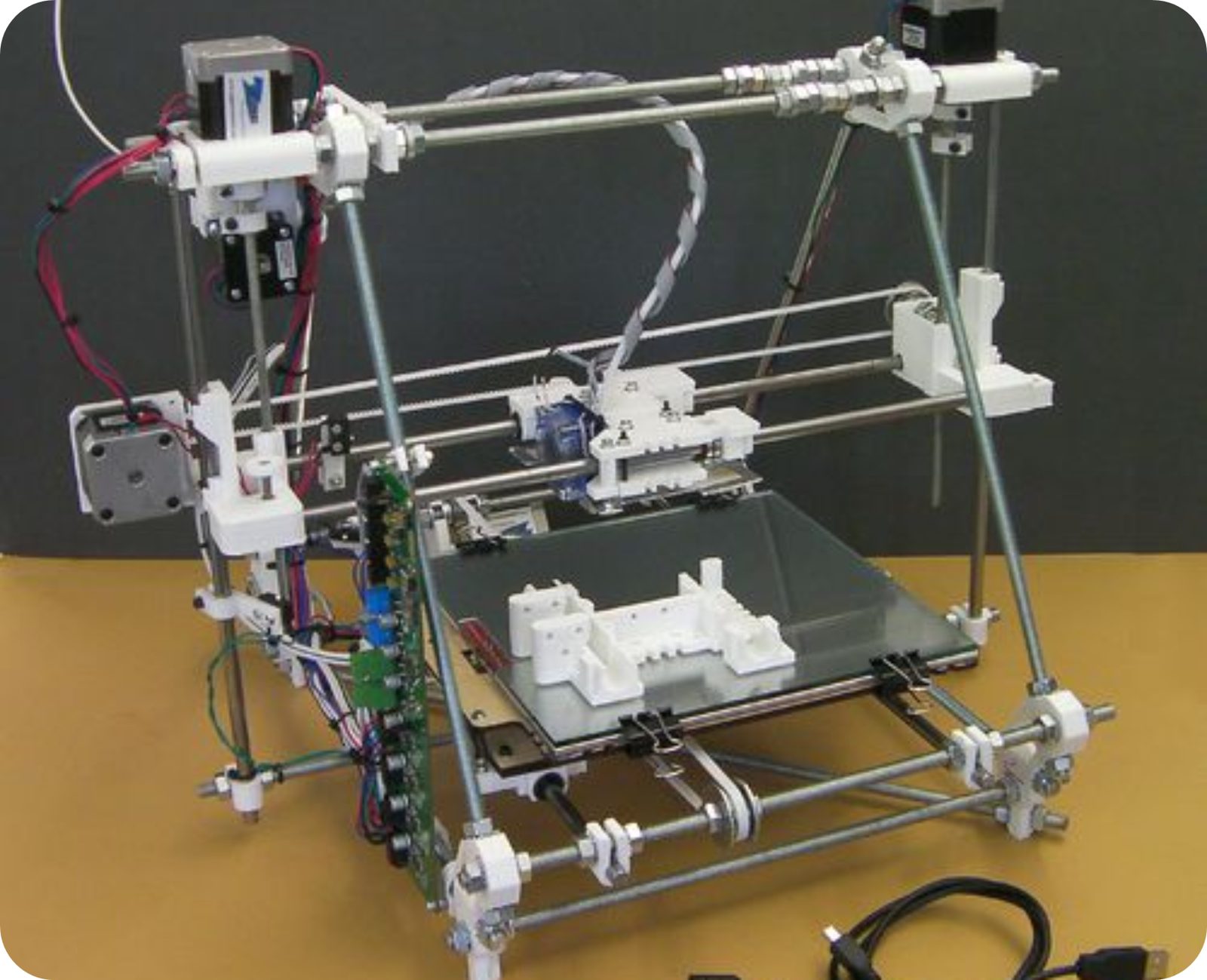
A more compact and more stable structure, easier to assemble, better prints.
Prusa Mendel (2011)
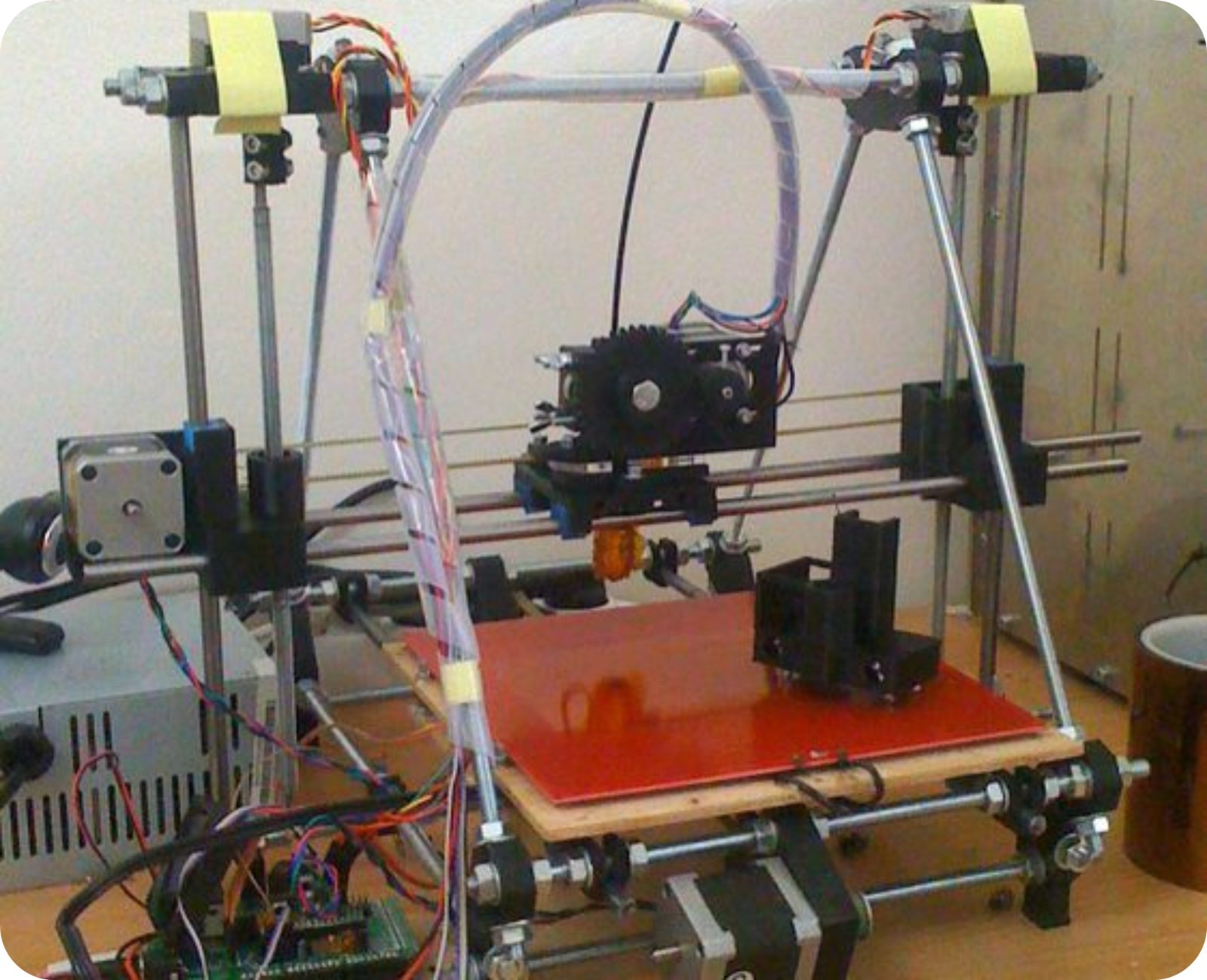
Josef Prusa simplifies the design: fewer parts, a lower manufacturing cost.
Rostock (2012)
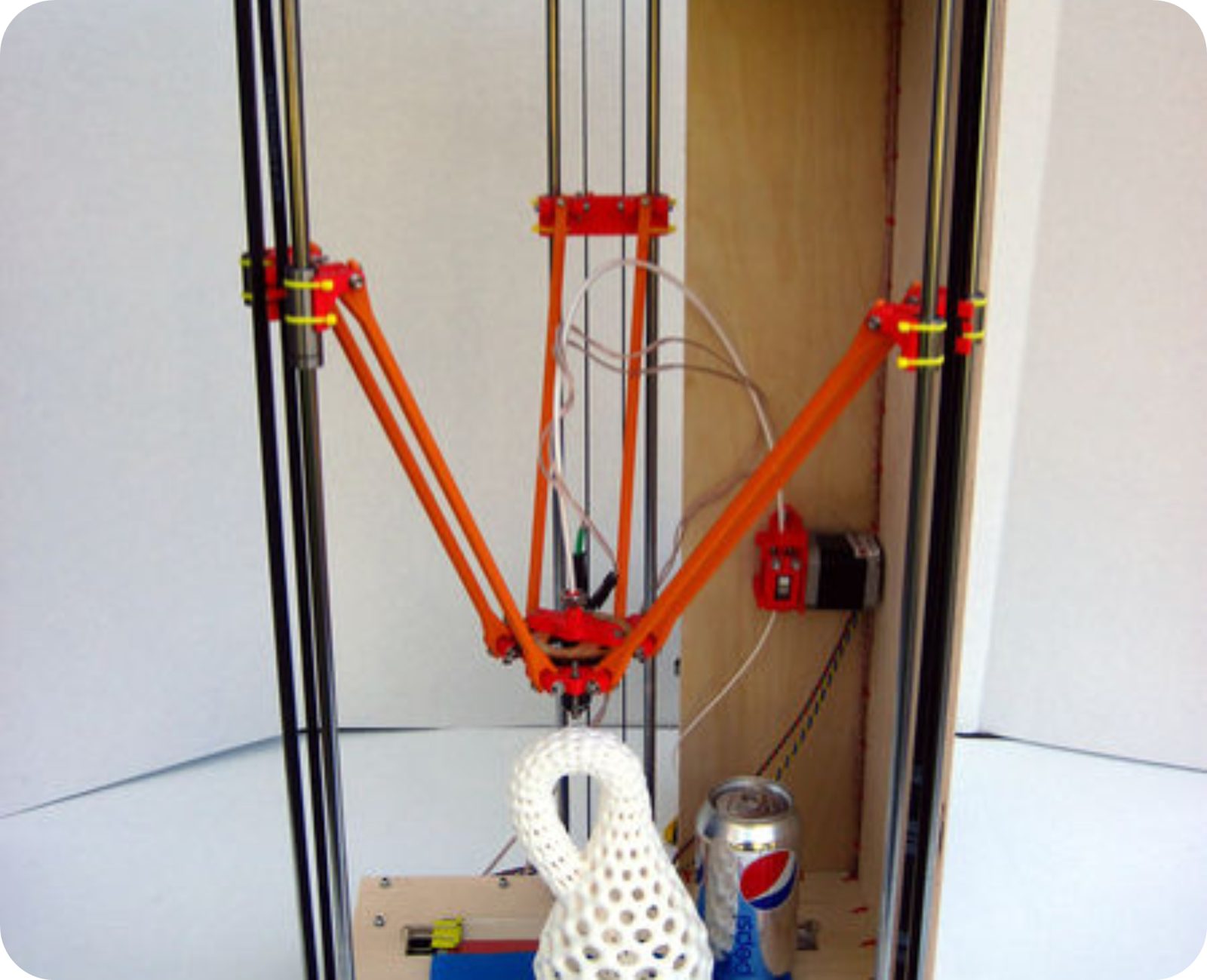
The first delta-type RepRap: three arms move the head, fast and precisely.
Prusa i3
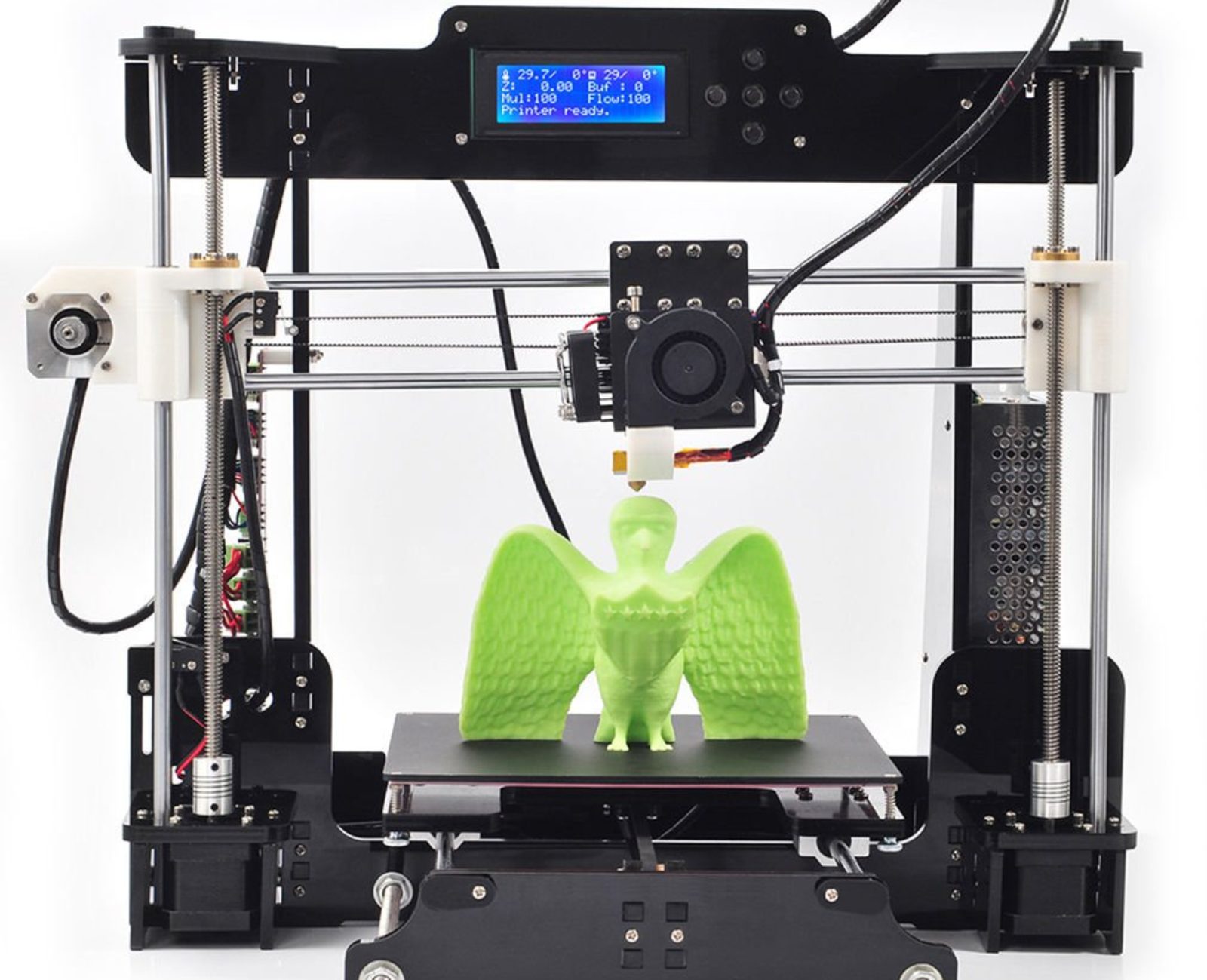
A one-piece frame, more rigid: a model copied everywhere.
The forgotten printers
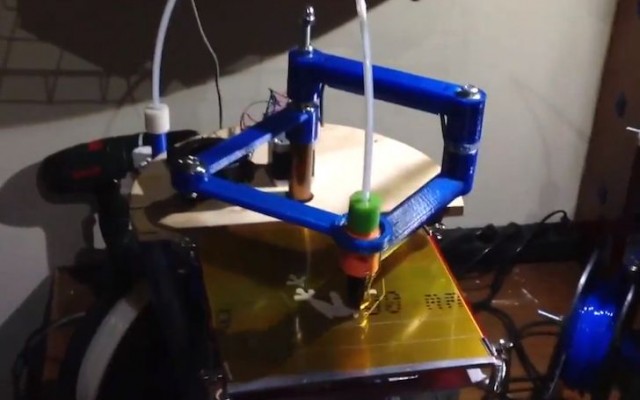
RepRap Morgan
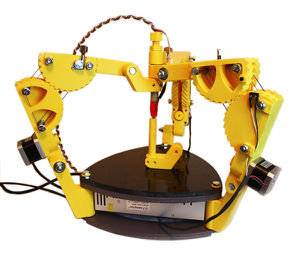
RepRap Simpson
Original kinematics that never found their audience.
The consumer era
2009-2020: the 3D printer lands on the desk
The price of a printer
÷ 10
- Early 2010s: more than €2,000, rare machines, often sold as kits
- In 2020: €200 for a reliable, ready-to-use Creality Ender-3
Competition, mass production and innovation drive prices down. In 2022, the market is worth 15.1 billion dollars.
Four brands, four paths


| Brand | Founded | Path |
|---|---|---|
| MakerBot | 2009, United States | Born from RepRap, proprietary from 2013 |
| Ultimaker | 2011, Netherlands | Open-source kit, then professional market |
| Prusa Research | 2012, Czechia | Still largely open source |
| Creality | 2014, China | Low cost, huge community |
In 2022, MakerBot and Ultimaker merge to form UltiMaker.
Popularisation: the consumer era
MakerBot
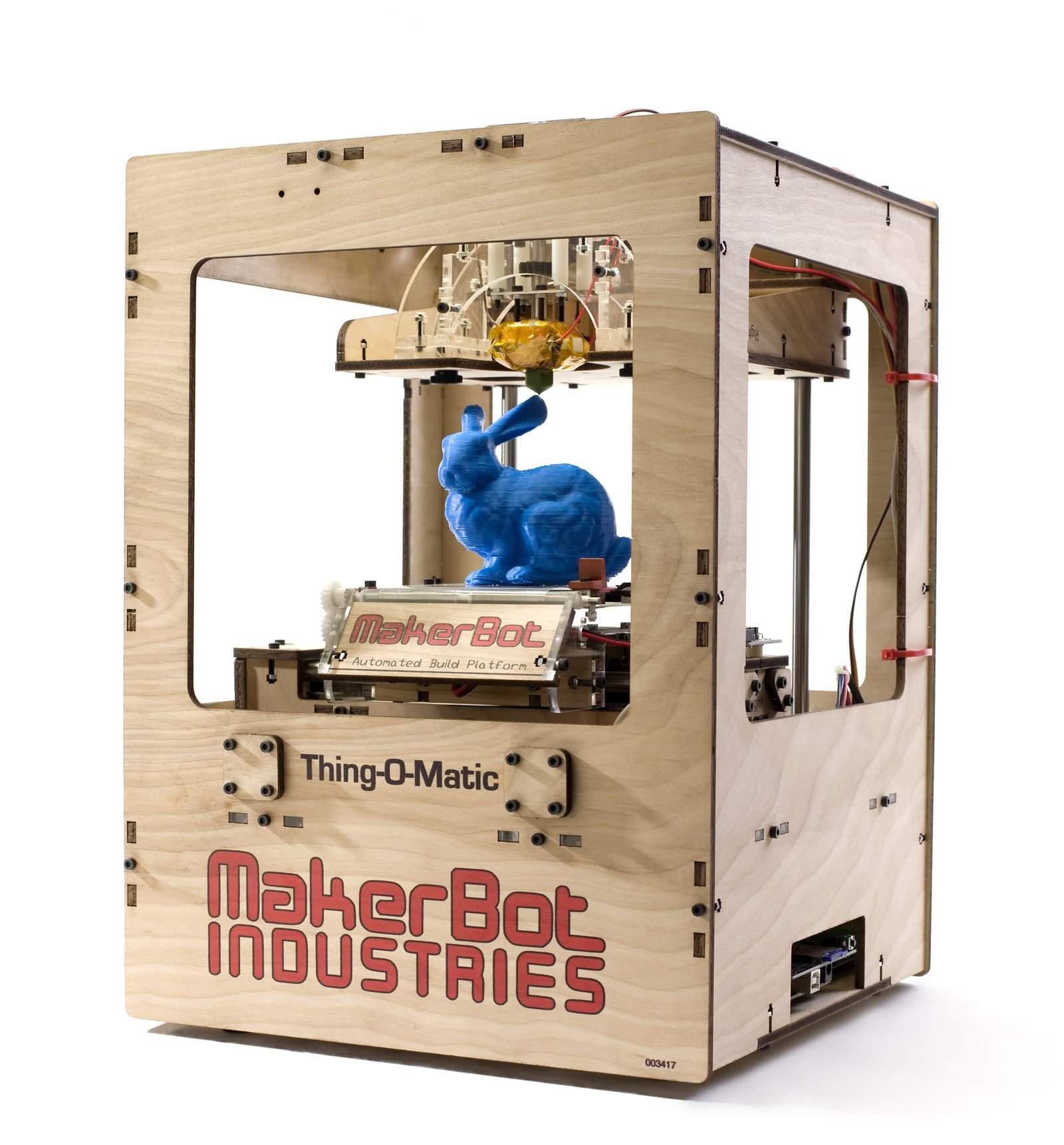
Thing-O-Matic (2010)
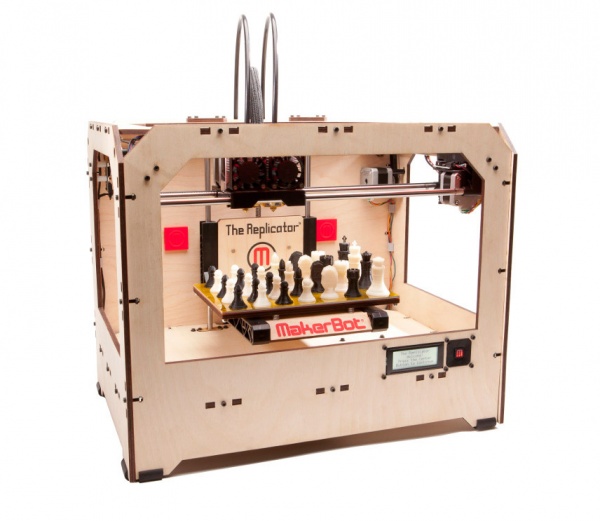
Replicator (2012)
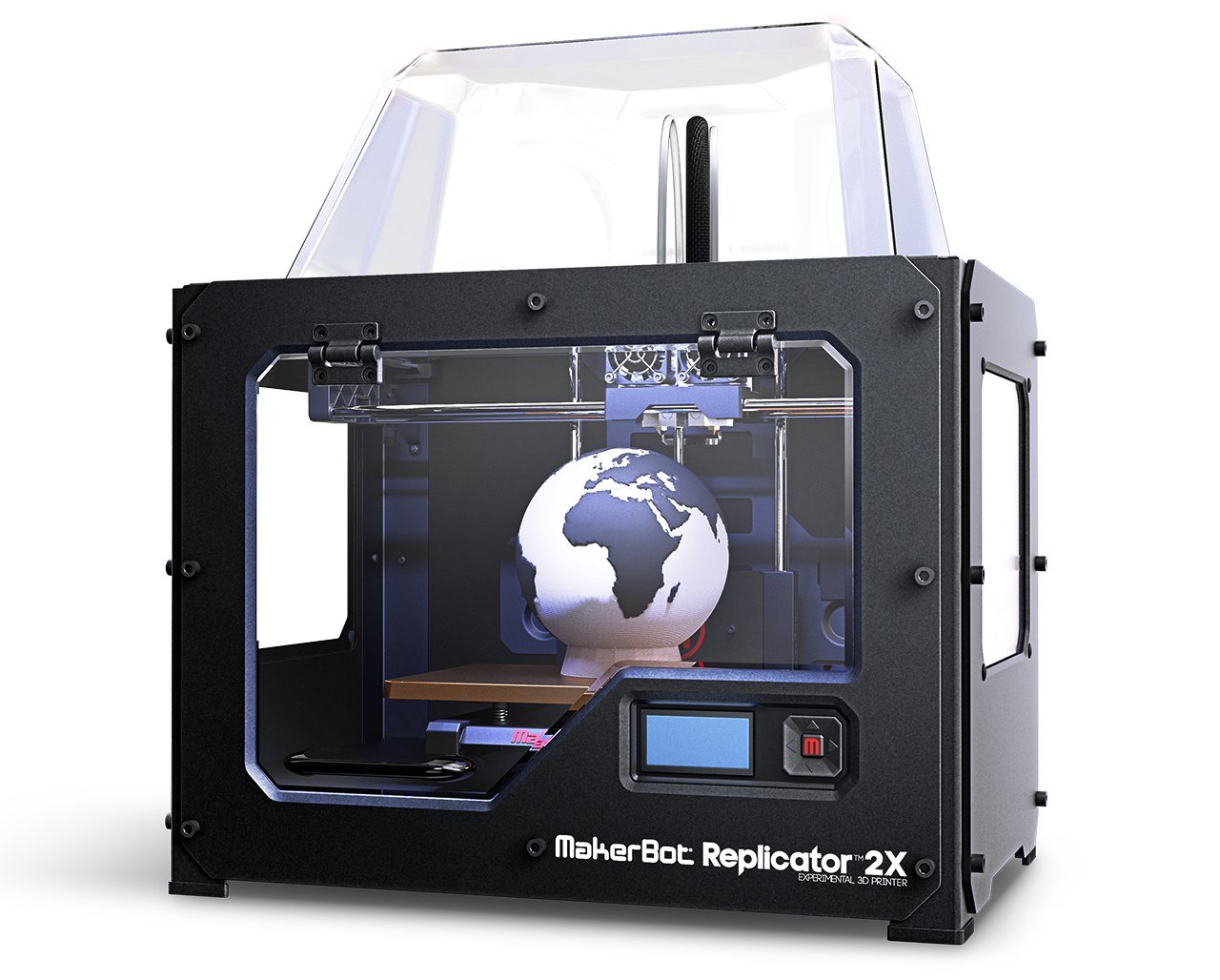
Replicator 2X
Bought by Stratasys in 2013, MakerBot abandons open source.
MakerBot: selling the “revolution”
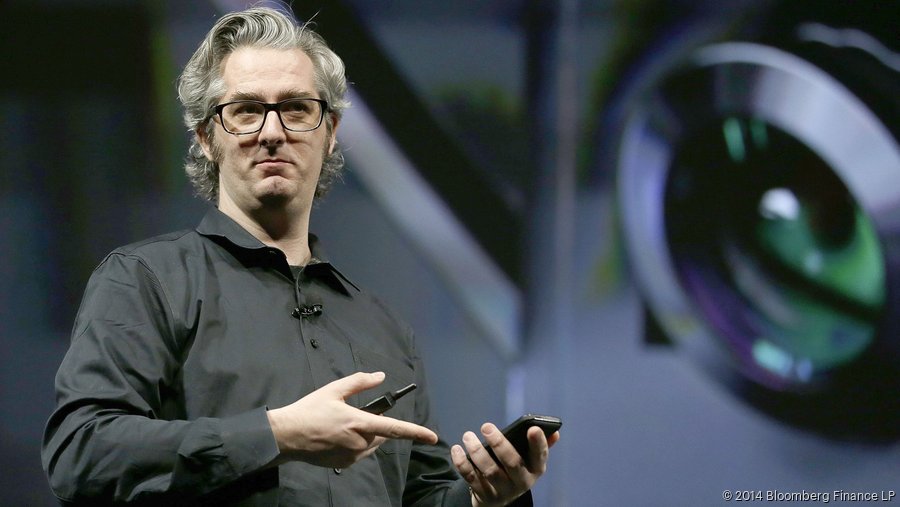
Bre Pettis, co-founder of MakerBot, promises a 3D printer in every home.
Print the Legend
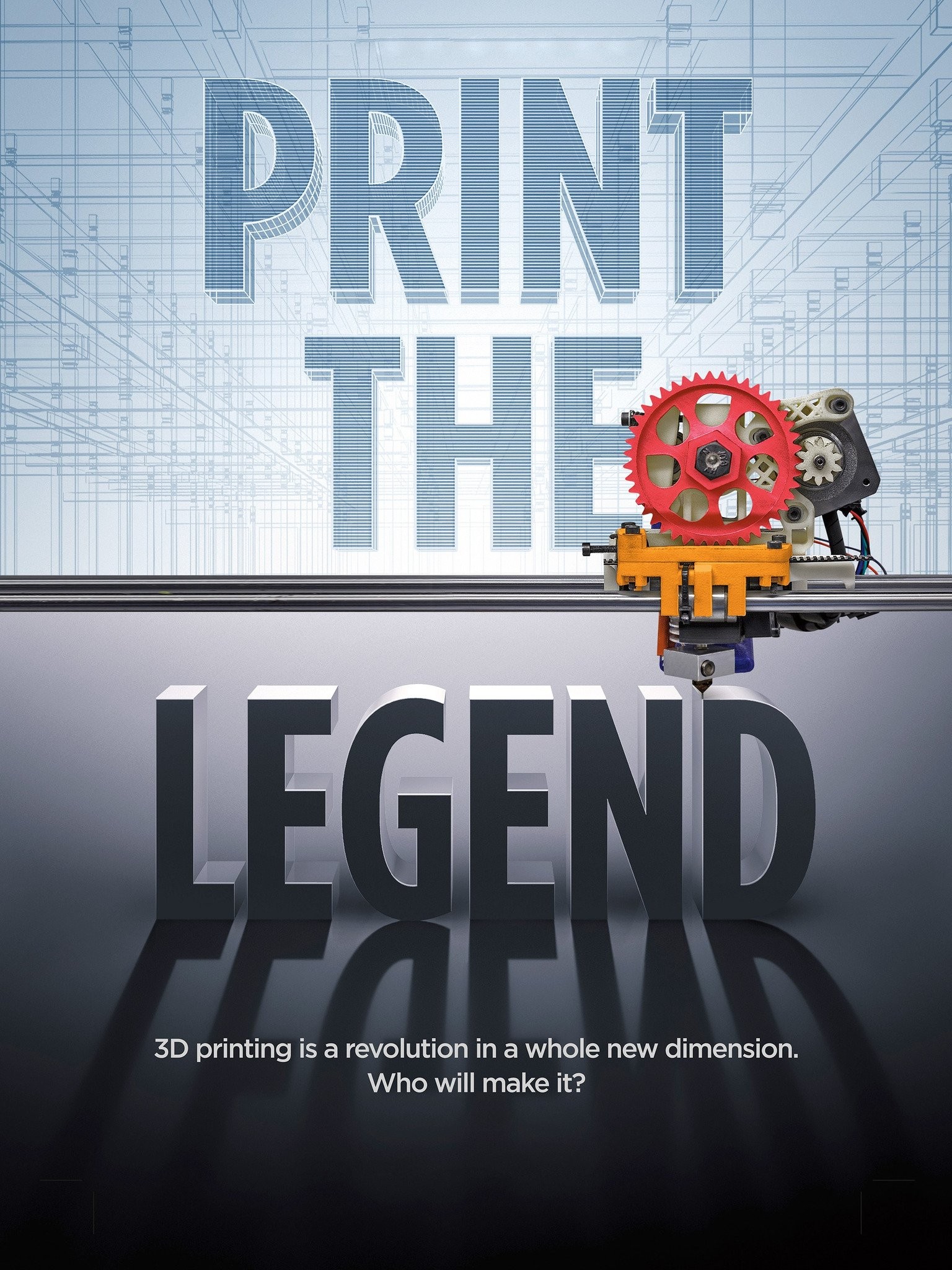
Netflix documentary (2014)
- MakerBot and Formlabs versus Stratasys and 3D Systems
- Rivalries between start-ups
- Promises and disillusionment
Ultimaker
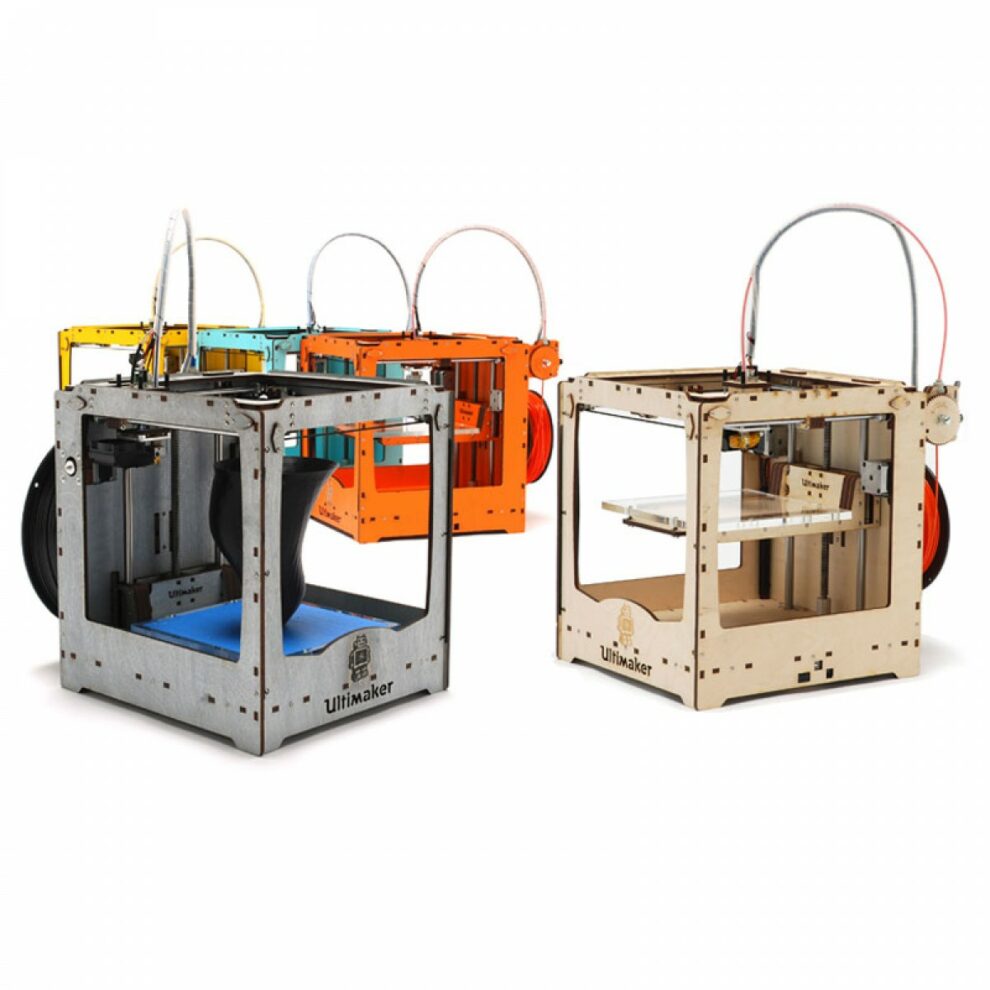
Original (2011), as a kit
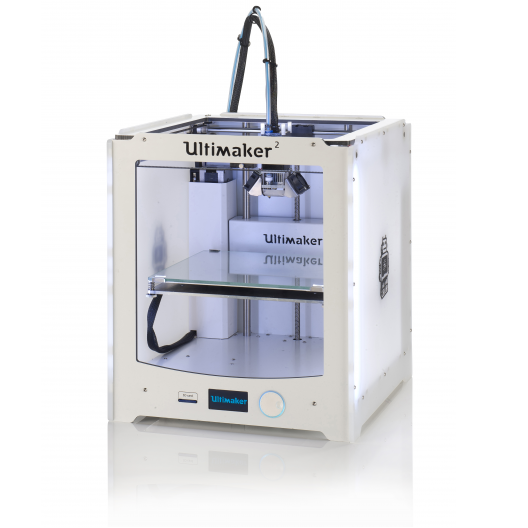
Ultimaker 2 (2013)
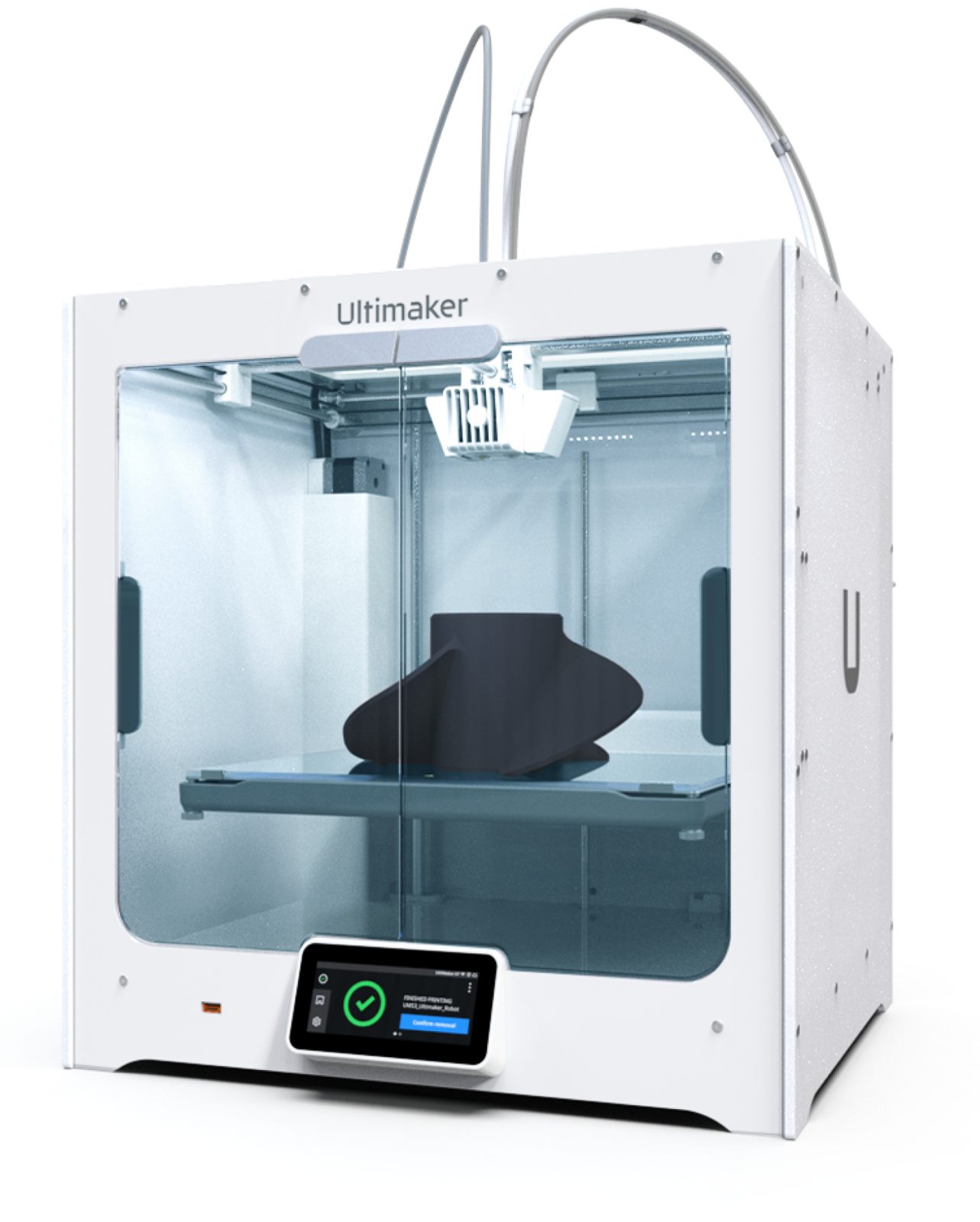
S5 (2018), for professionals
Its great contribution remains Cura, a free and open-source slicer.
2022: MakerBot and Ultimaker merge
- Announced in May, completed in September 2022: UltiMaker is born
- Stratasys keeps a minority stake, NPM Capital becomes the main shareholder
Creality
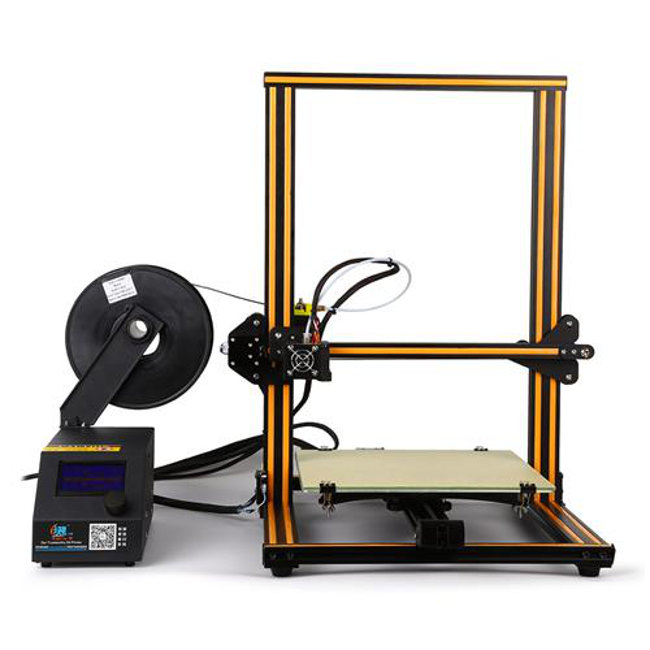
CR-10 (2016): large format
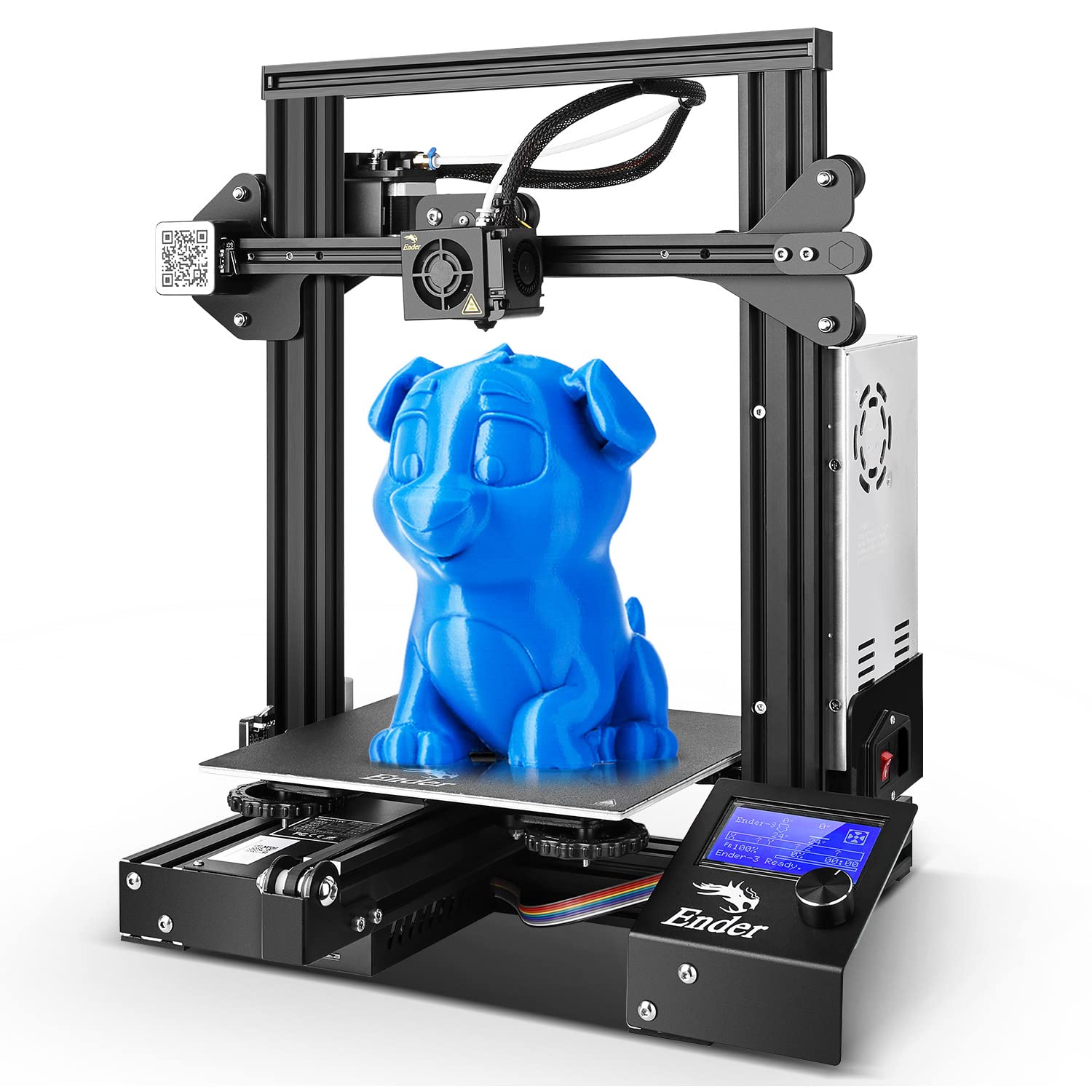
Ender-3 (2018): best-seller
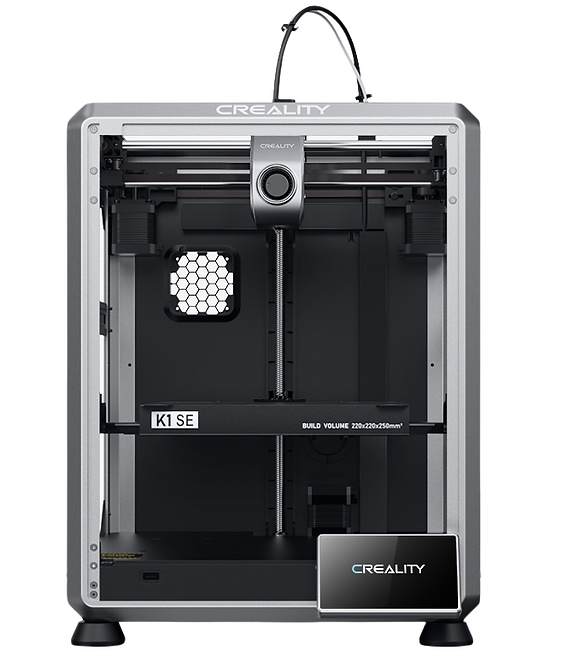
K1C: enclosed CoreXY
Cheap machines and a huge community of tinkerers.
Prusa Research
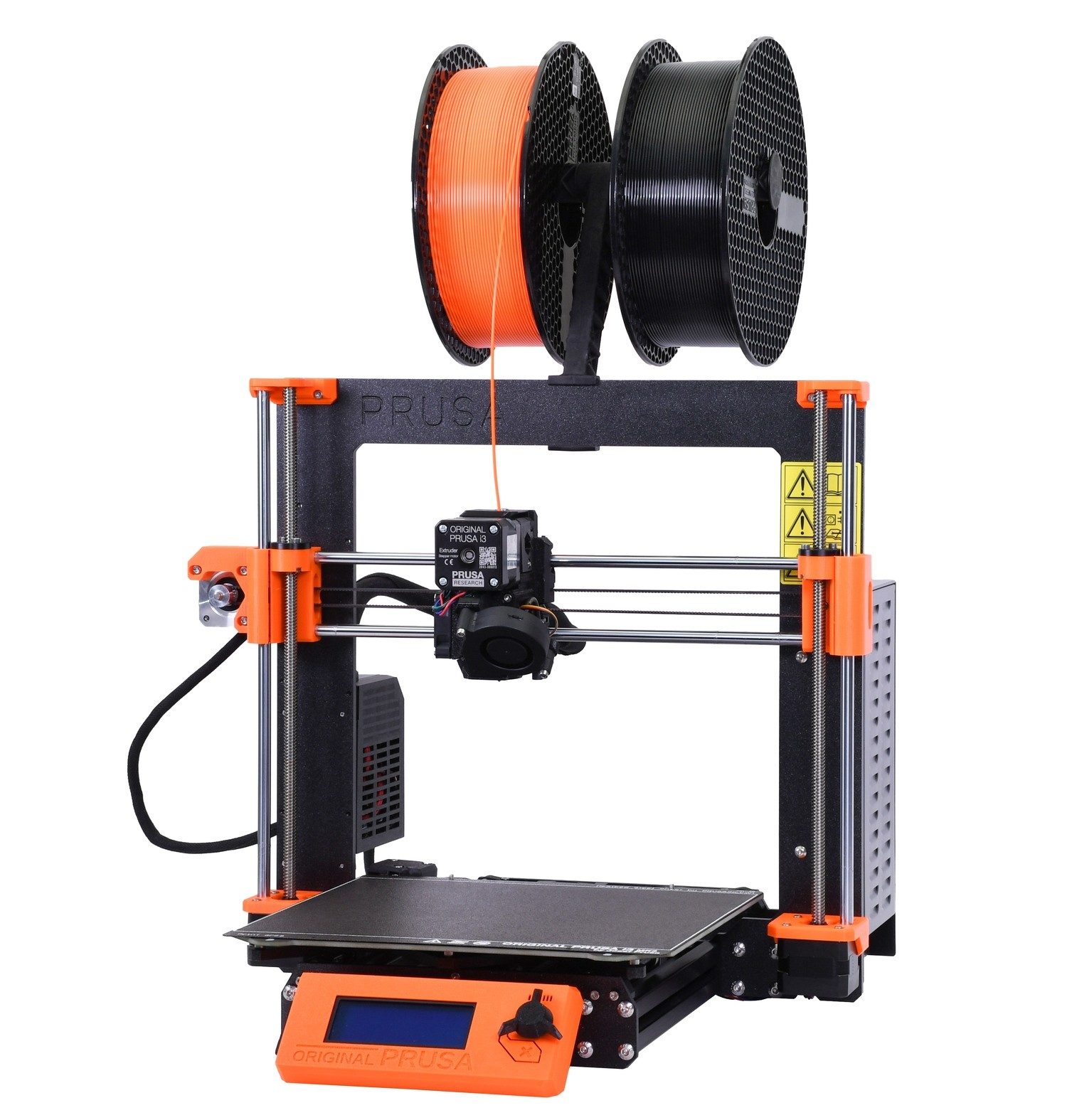
i3: the benchmark
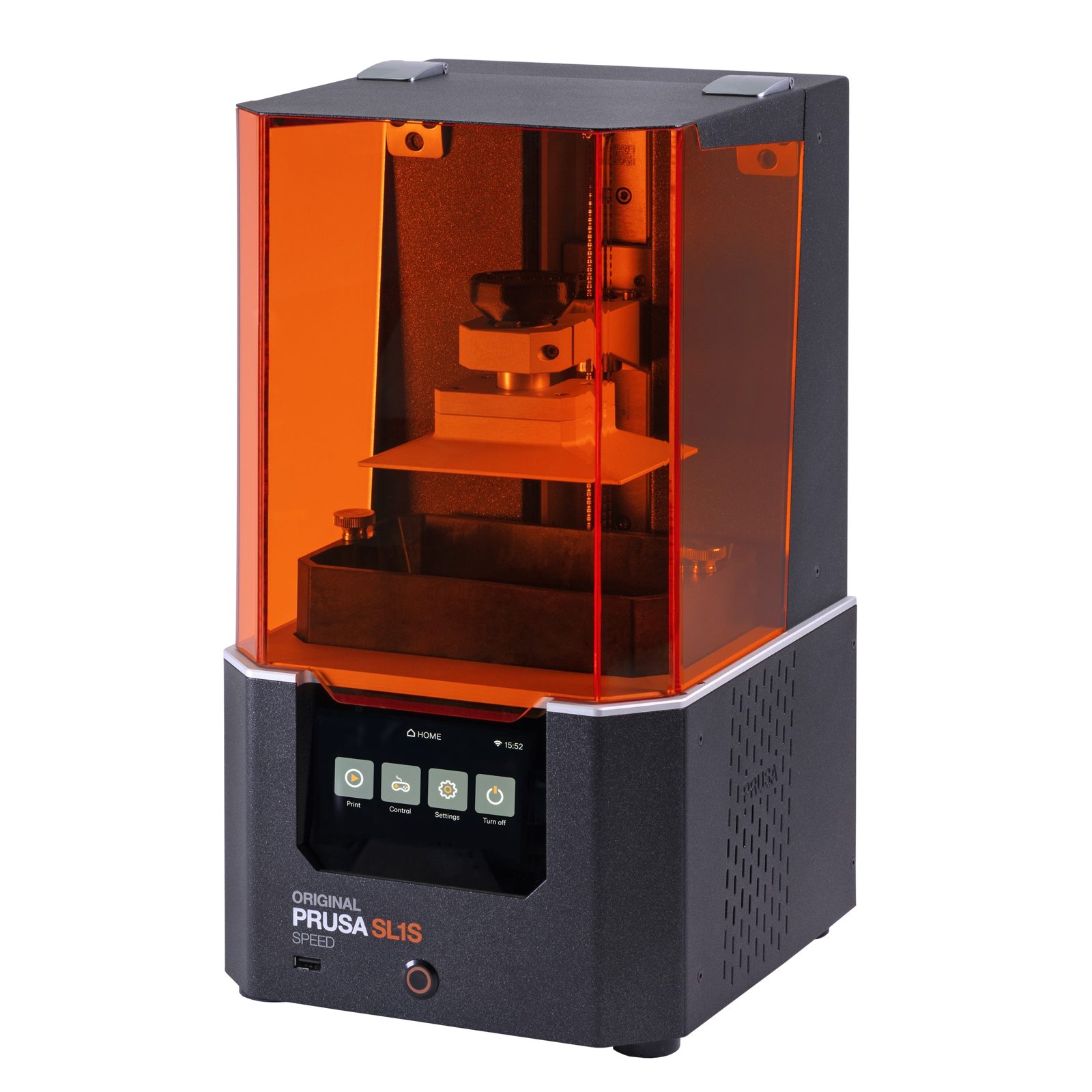
SL1S: resin
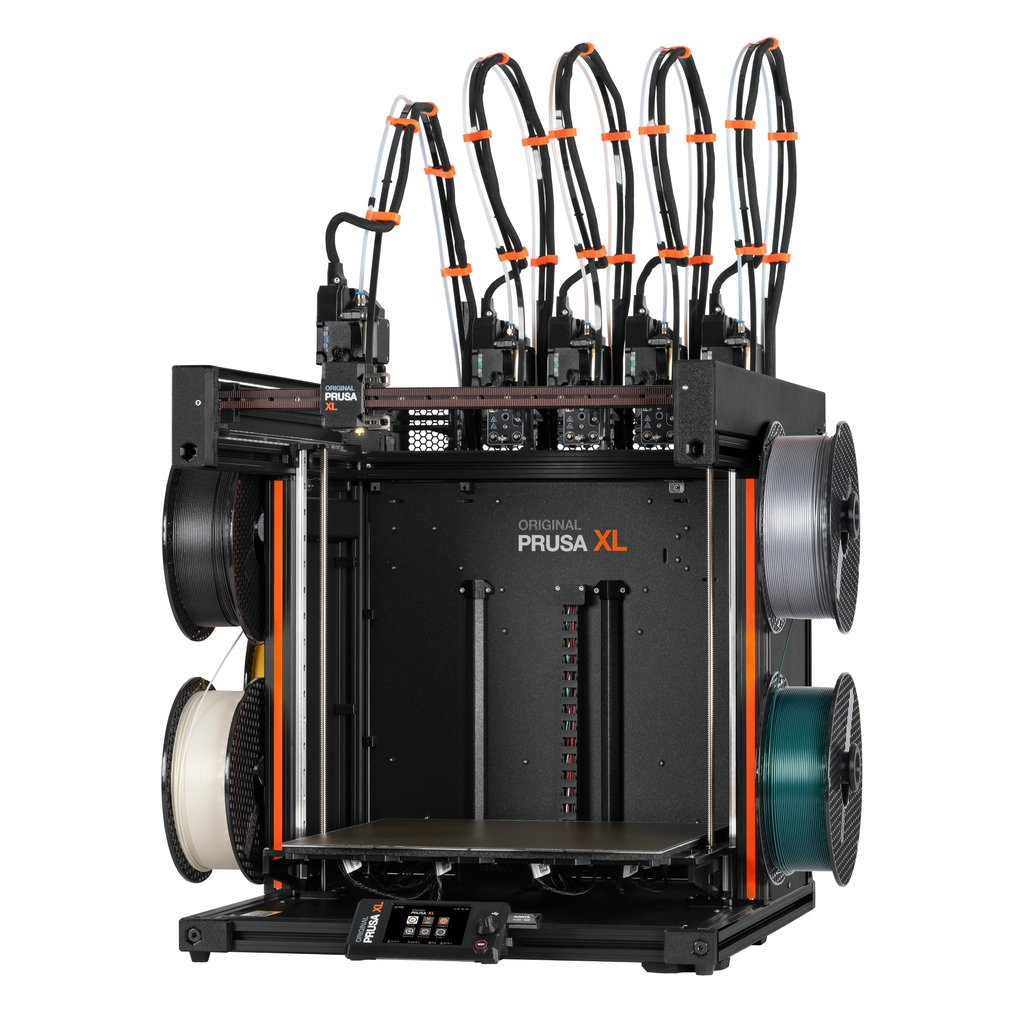
XL (2022): CoreXY
Founded in 2012 by Josef Prusa; the MK2 (2016) brings automatic calibration.
Prusa: the DNA of RepRap
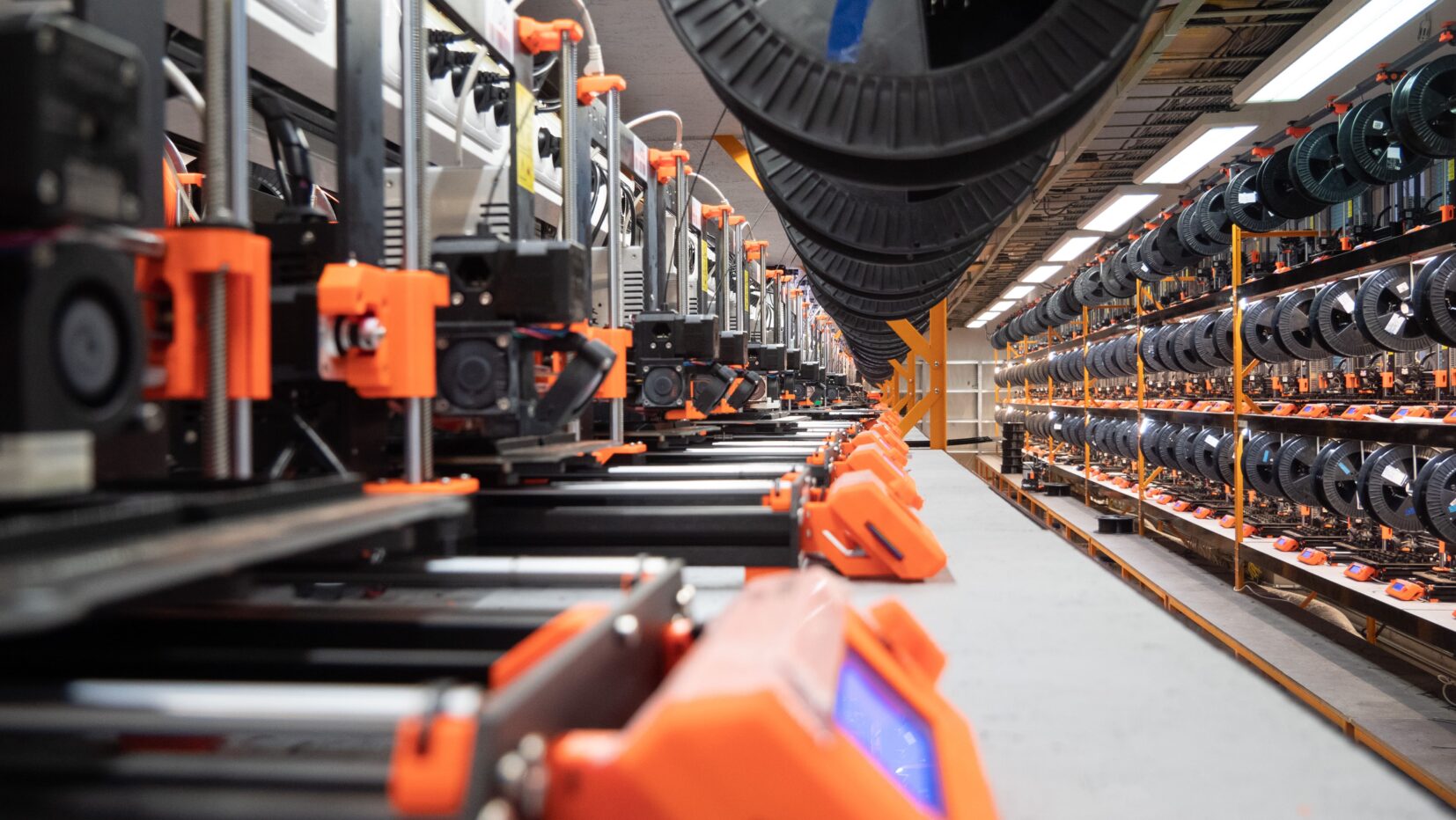
More than 600 printers make the parts of the printers sold: 114,000 machines shipped in 2021.
Prusa: still open source?
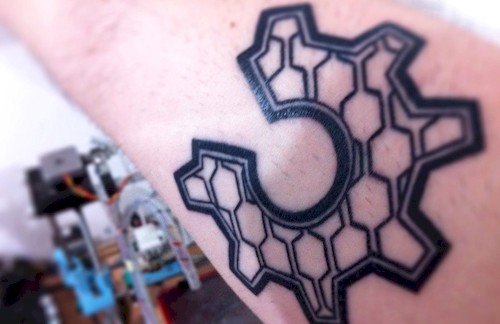
2012: Josef Prusa gets the Open Hardware logo tattooed
- Plans, firmware and PrusaSlicer published
- But proprietary components on recent machines (Prusa XL)
- To protect itself against copies
Prusa 2024 retrospective
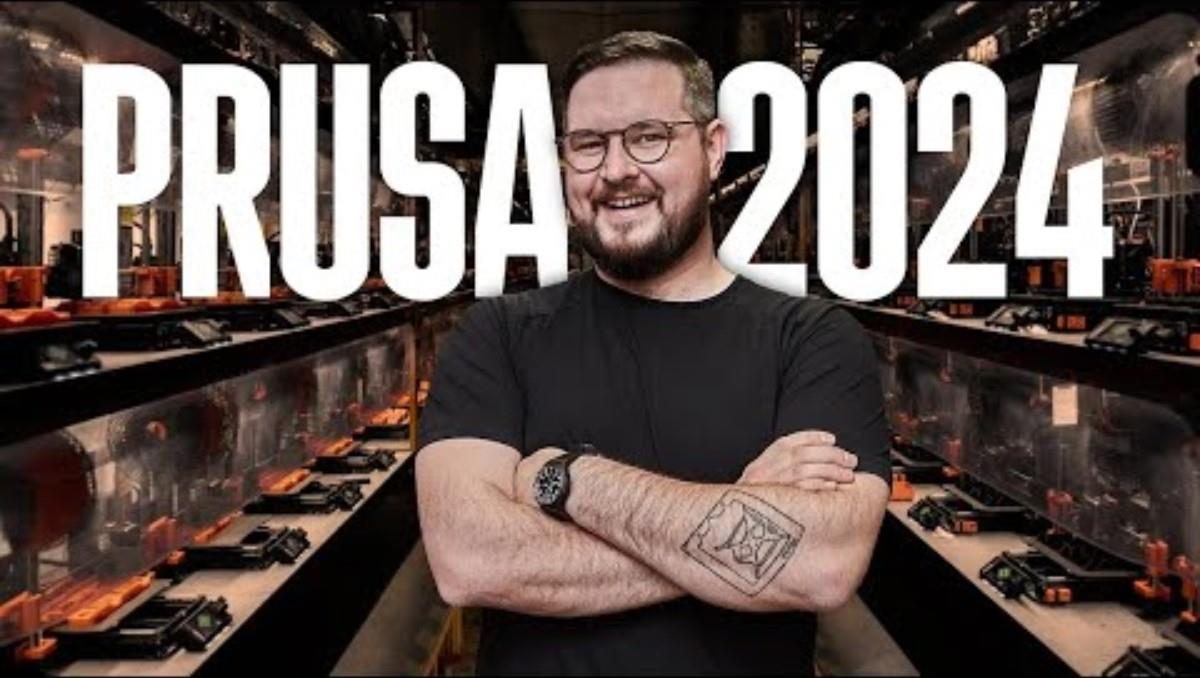
Every year, Josef Prusa presents the company’s review of the year in a video.
Bambu Lab: a recent player

Bambu Lab arrived later, but is now a major player in the 3D printing world.
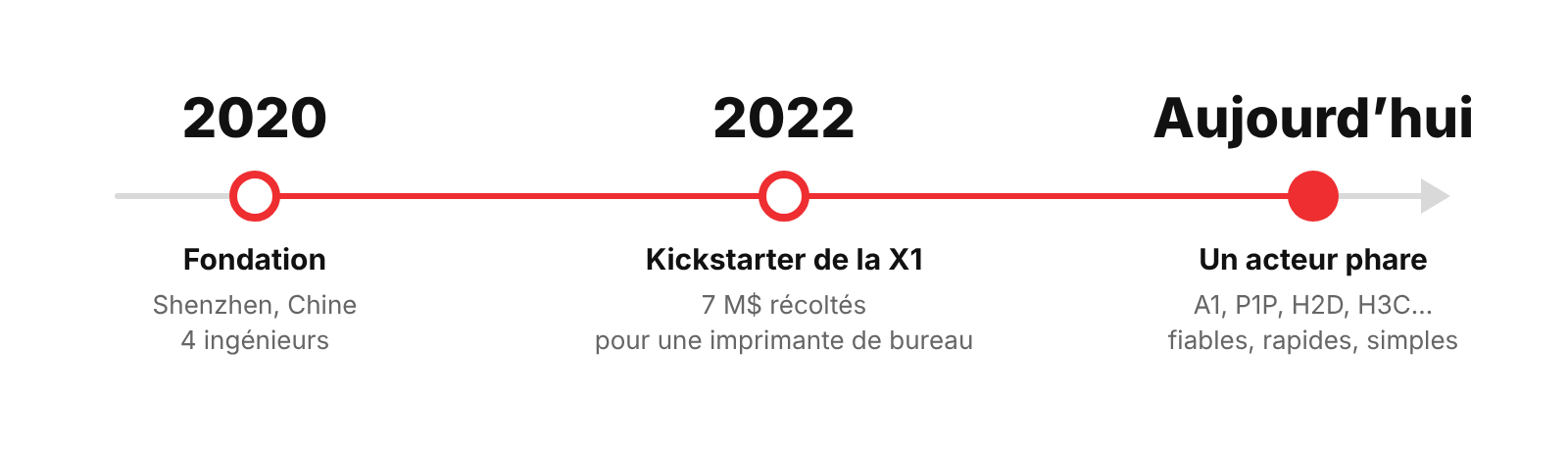
A complete ecosystem: machines, AMS, Bambu Studio, MakerWorld, Bambu Handy.
Bambu Lab
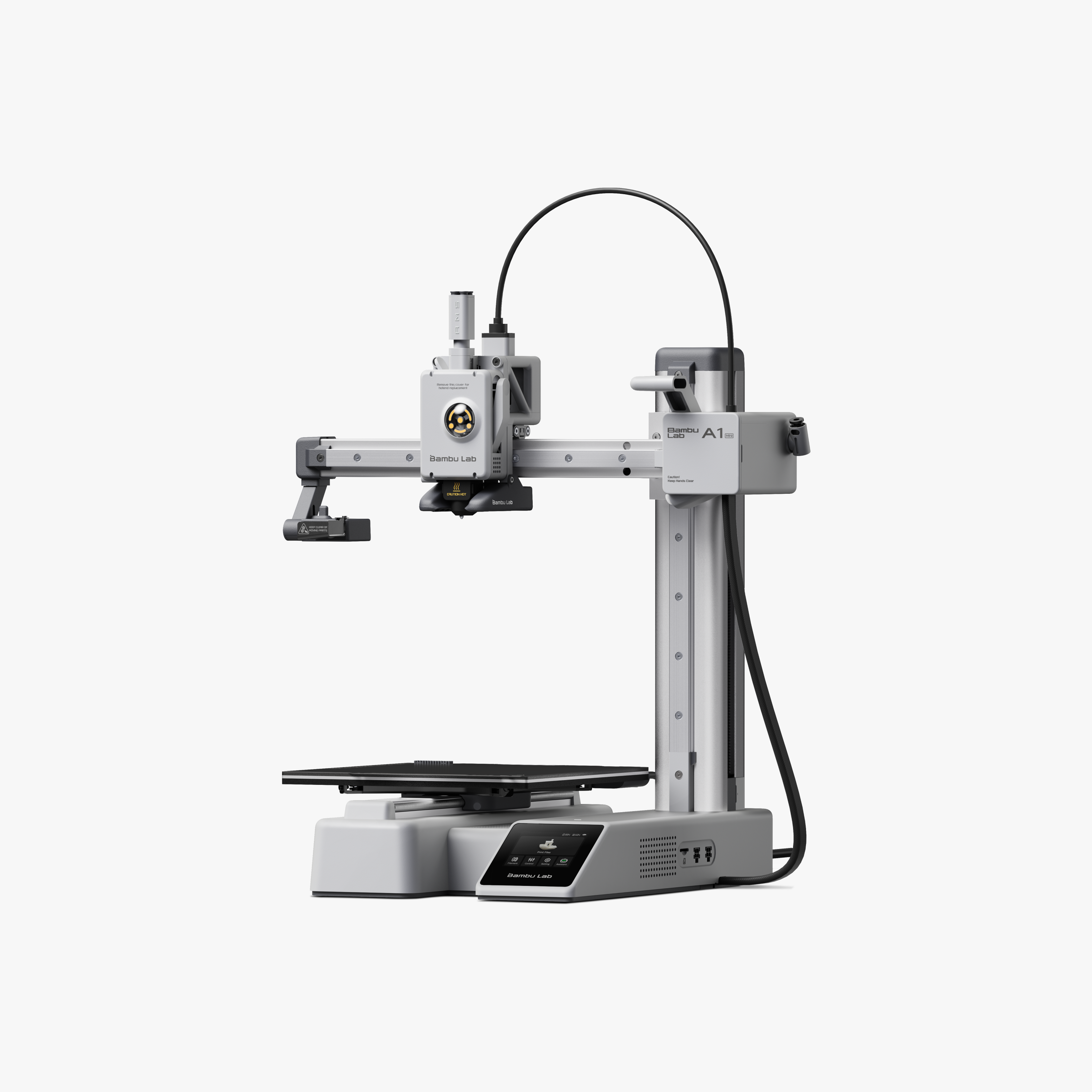
A1 mini: small format, very accessible
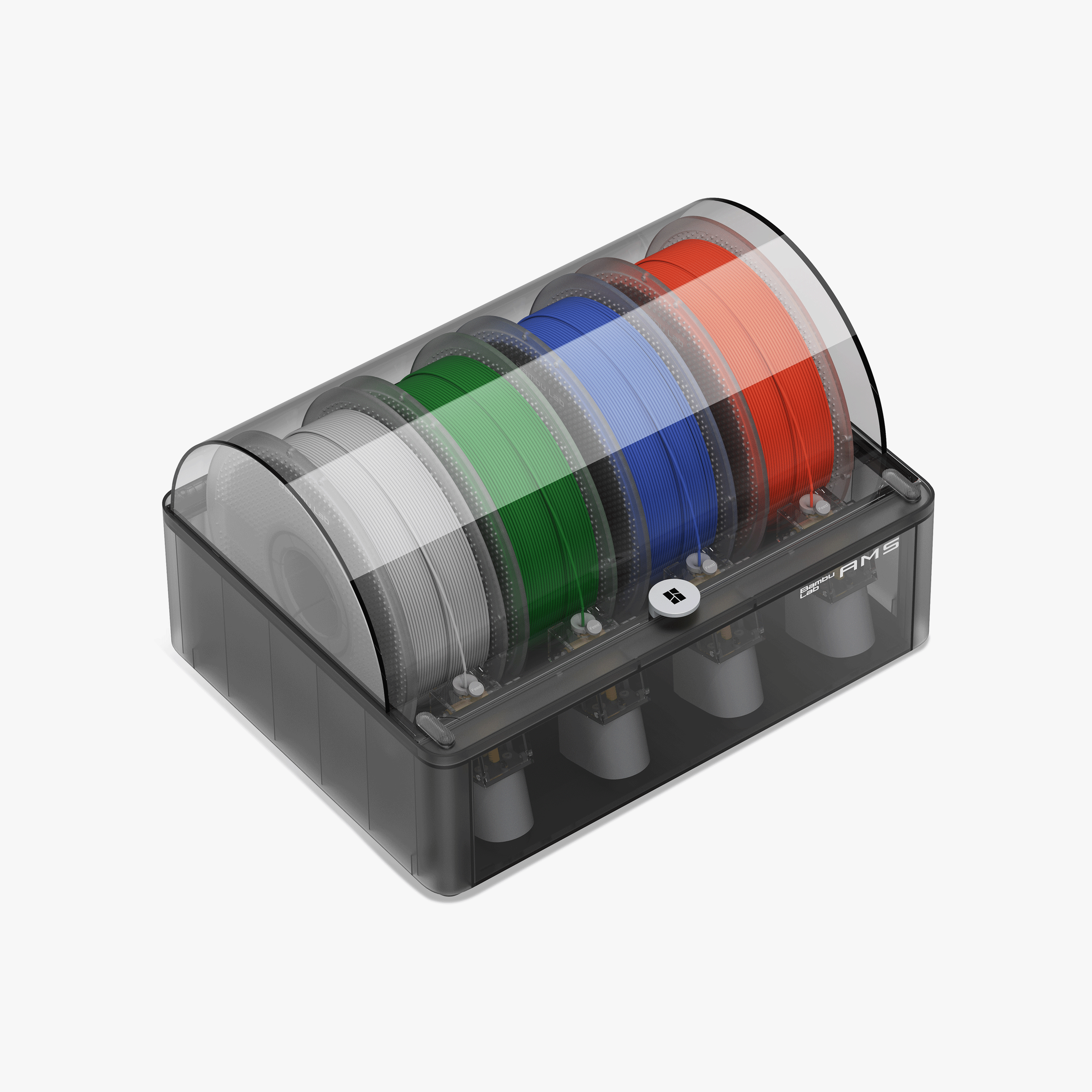
AMS: Automatic Material System
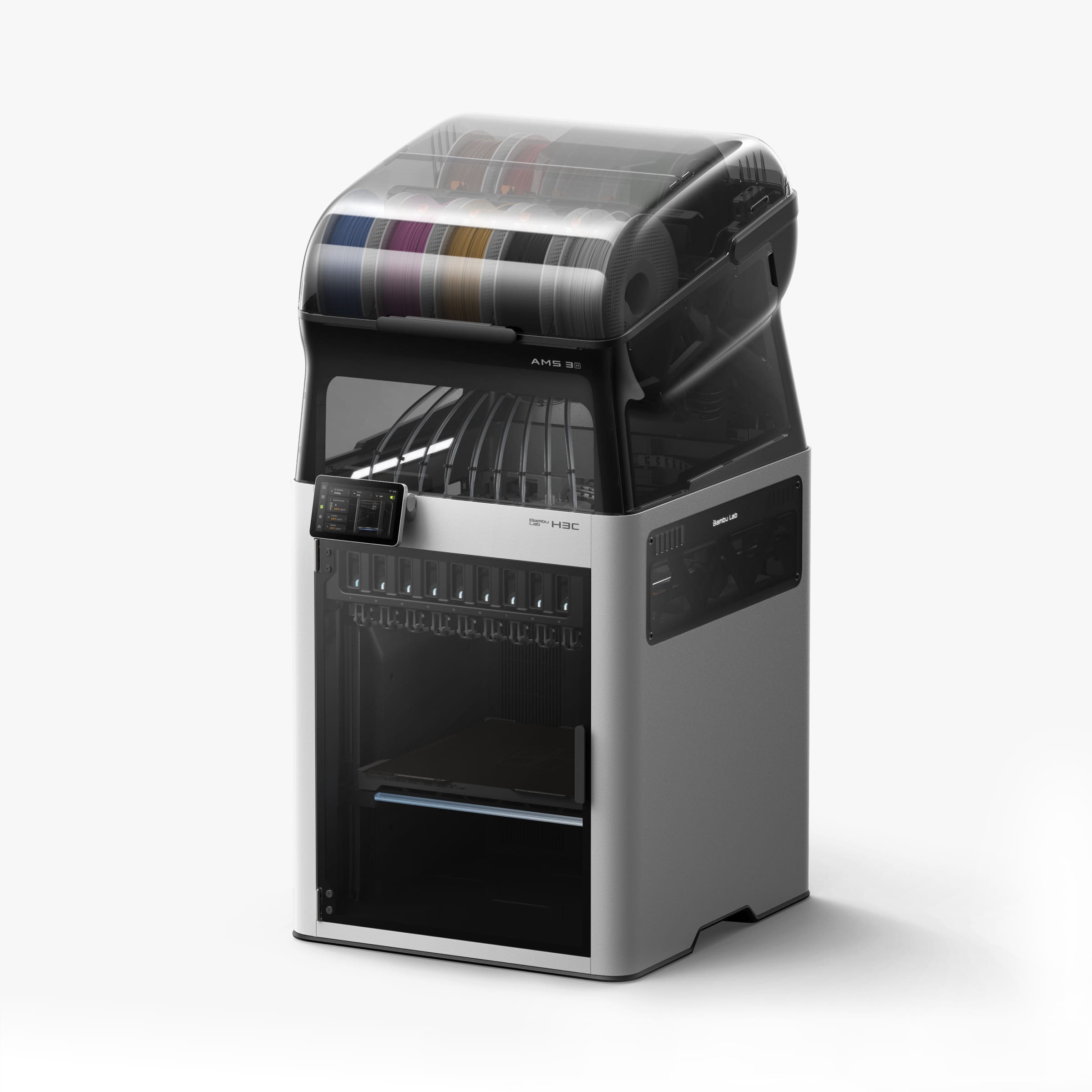
H3C: Bambu Lab SwapTek™ 9-tool changer
Cheap machines and a complete environment.
Bambu Lab: the controversies
- Cloud dependency: in August 2023, an outage starts prints on its own or locks machines
- Data security: files and logs pass through the brand’s servers
- Closed ecosystem: Bambu Connect forces a proprietary intermediary on third-party software
A consumer printer… but a proprietary one.
The AGPL affair (2026)
- A developer publishes an OrcaSlicer fork that bypasses Bambu Connect
- Bambu Lab threatens him: he withdraws his project
- The problem: Bambu Studio derives from PrusaSlicer, under the AGPLv3 licence
- The SFC identifies two violations of the licence
- Bambu Lab backs down; the SFC launches Baltobu to free the ecosystem
Free software also defends itself collectively.
The Hype Cycle
Why 3D printing disappointed, then convinced
The Gartner curve
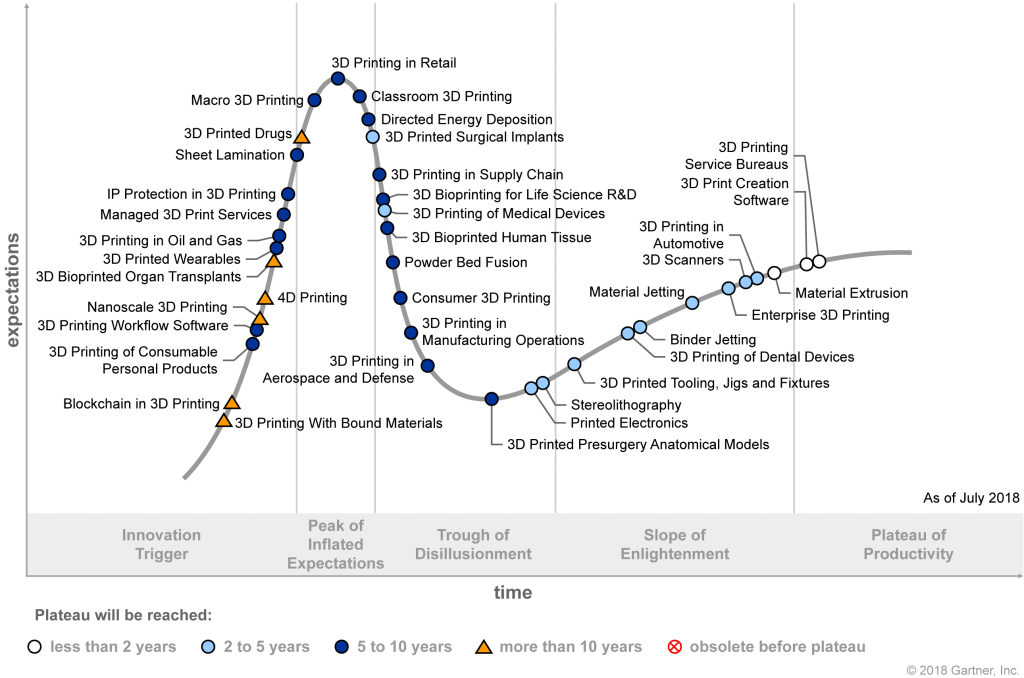
In 2018, fused filament (“Material Extrusion”) almost reaches the plateau; consumer printing is still in the trough. © 2018 Gartner, Inc.
Five stages, applied to 3D printing
| Stage | 3D printing |
|---|---|
| 1. Trigger | 1980s: SLA and FDM |
| 2. Peak of expectations | 2010s: “print everything at home” |
| 3. Trough of disillusionment | Mid-2010s: cost, slowness, limited materials |
| 4. Slope of enlightenment | 2020: concrete and industrial uses |
| 5. Plateau of productivity | Today: prototyping, medicine, industry |
A useful model for any emerging technology: beware of the promises at the top of the curve.
Third places
Hackerspaces, FabLabs, makerspaces
Third places appear
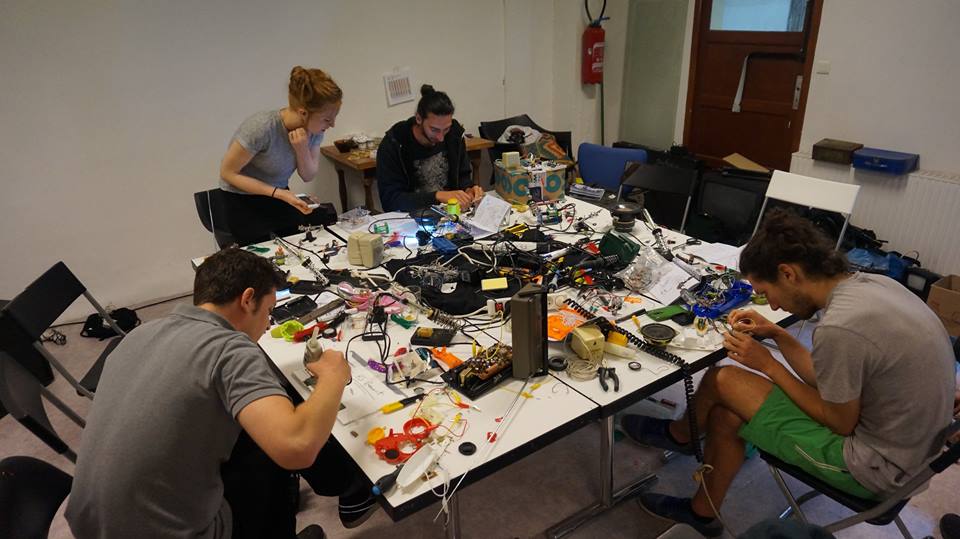
Neither home (1st place) nor work (2nd place): spaces to create, exchange and innovate together.
From the 1990s: hackerspaces, then FabLabs, then makerspaces.
Three families of places
| Hackerspace | FabLab | Makerspace | |
|---|---|---|---|
| Origin | 1990s, hackers | 2001, MIT | 2010s, makers |
| Audience | Technology enthusiasts | Education, innovation | Hobbyists, students |
| Spirit | Exploration, freedom | Collaboration, teaching | DIY, creativity |
| Framework | Independent, informal | Fab Charter | Free, depends on the place |
HackerSpace, MakerSpace, FabLab and the Internet
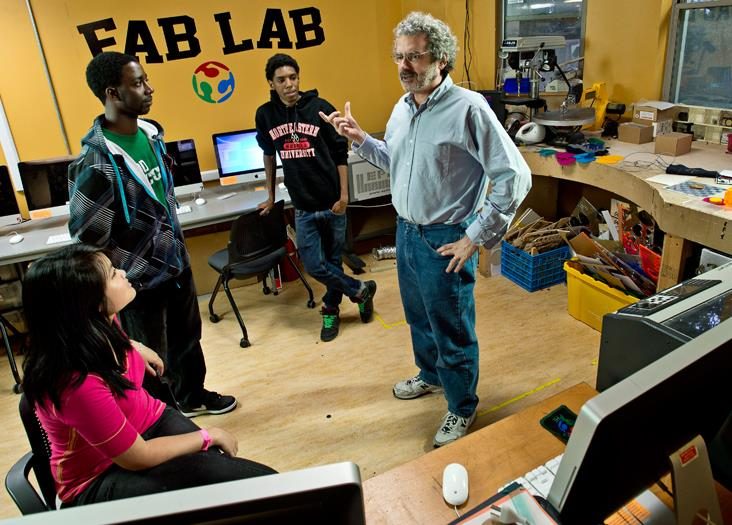
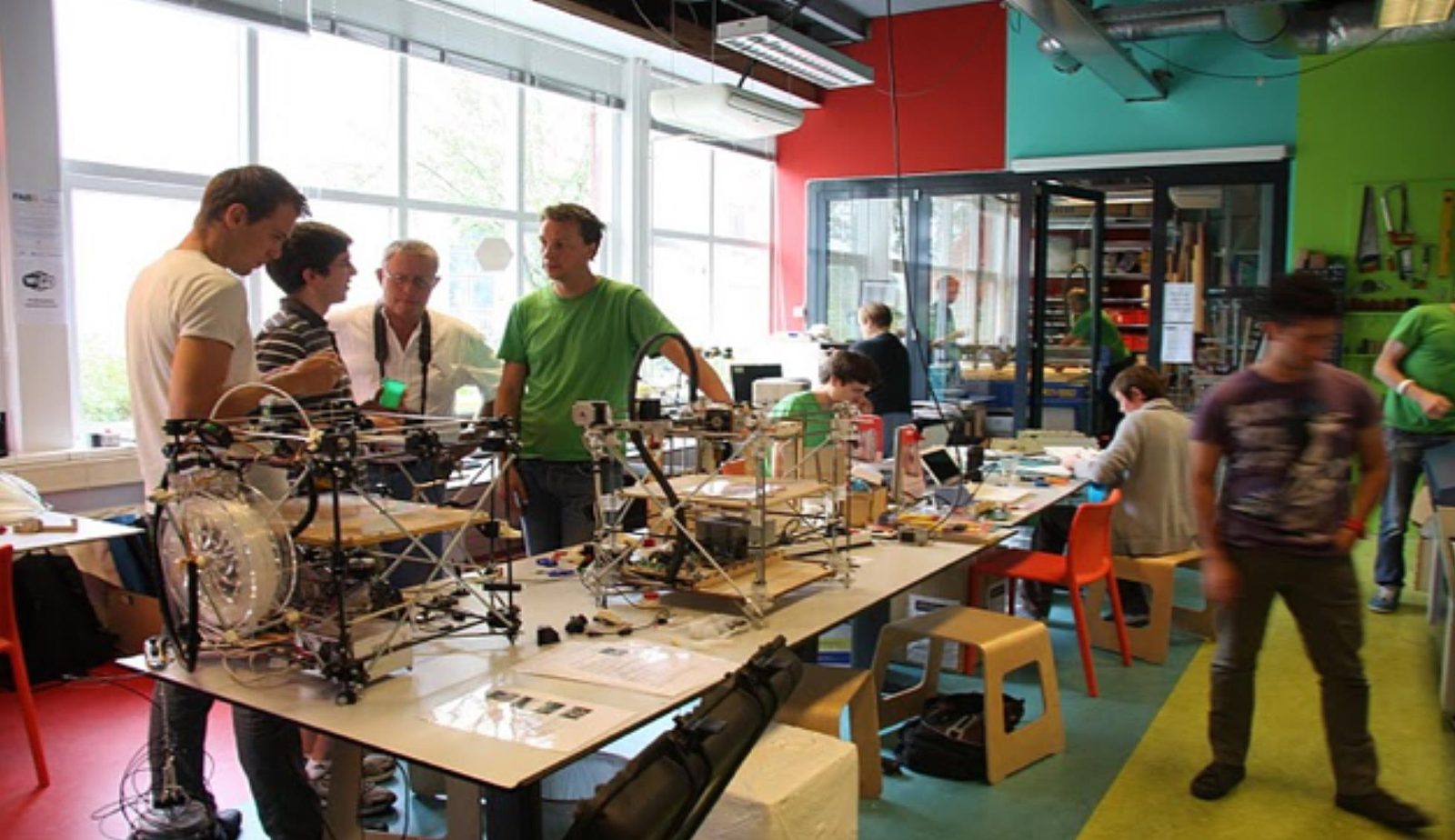
FabLab: Learn, Make, Share

- Created in 2001 at MIT by Neil Gershenfeld
- Open to the public, bound by a charter
- Laser cutter, milling machine, electronics; the 3D printer comes later
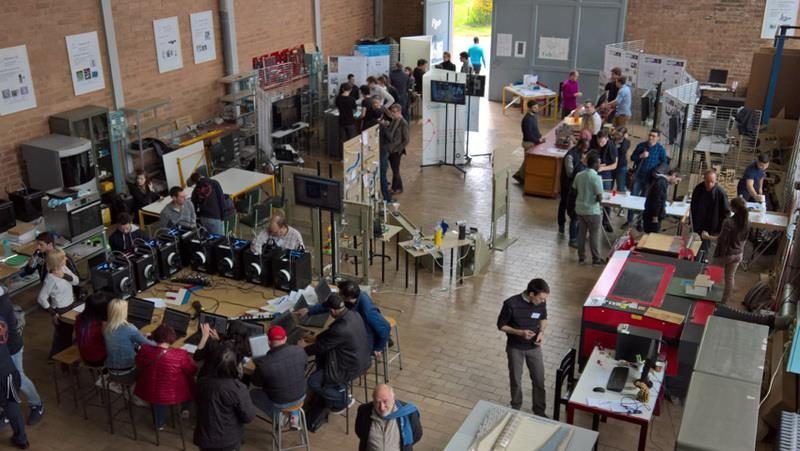
FabLabs around the world
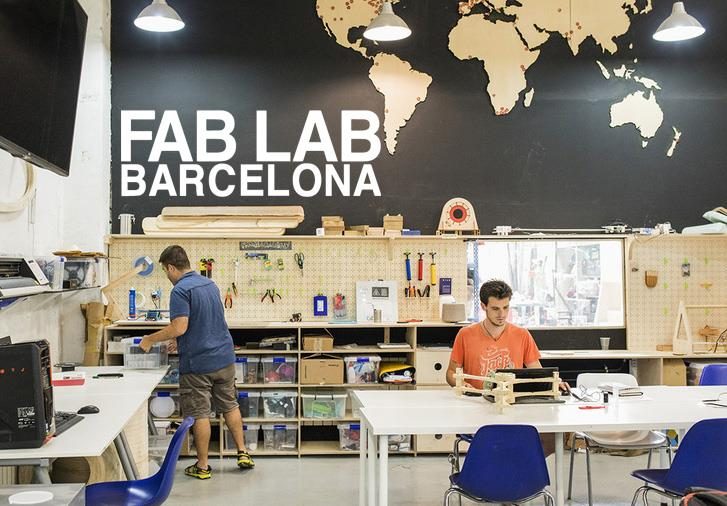
What these places have changed
- Access: discovering 3D printing without buying a machine
- Prototyping: testing an idea without heavy investment
- Sharing: workshops, documentation, files online (Thingiverse, GitHub)
- User feedback: users make the machines evolve
You are in one of them: the UniLaSalle Amiens MakerSpace.
And today?
Between personal use and industry
Two worlds moving closer together
Personal
- Machines at €200-500
- Repairing, customising
- Mostly plastics
- Small build volume
Professional
- SLS, SLA, Binder Jetting
- Metals, composites
- Implants, aerospace
- Expensive machines
Between the two, affordable semi-professional printers blur the boundary.
Today: between personal and professional
Activity: has RepRap reached its goal?
- Autonomy: can we make things without depending on suppliers?
- Open source: has commercialisation betrayed the original spirit?
- Production: has making things at home reduced our dependence on industry?
One answer per question, backed by an example seen in this course.
The RepRap project: goal achieved?
Key takeaways
- 3D printing adds material layer by layer
- It is born in industry in the 1980s (SLA, SLS, FDM)
- The end of the patents and open source (RepRap) make it accessible to all
- Third places and the Internet spread the machines and the knowledge
Part 2: technologies and materials