Warning
This page may change; remember to check it regularly V2.0 24/09/2026
Everything you need to know
The Medieval Challenge is a project carried out in pairs, whose aim is to design and make a miniature catapult using the resources of the MakerSpace.
This project lets you try your hand at CAD, laser cutting and 3D printing, while discovering how the place and its equipment work.
The experience ends with a tournament in which each catapult has to show what it can do!
The project runs over 6 sessions, in three stages:

Each pair designs, prototypes, makes and tests a catapult. Even though the work is done as a team, every student must have handled and understood how to make a 3D print and a laser cut in order to validate their individual progress.
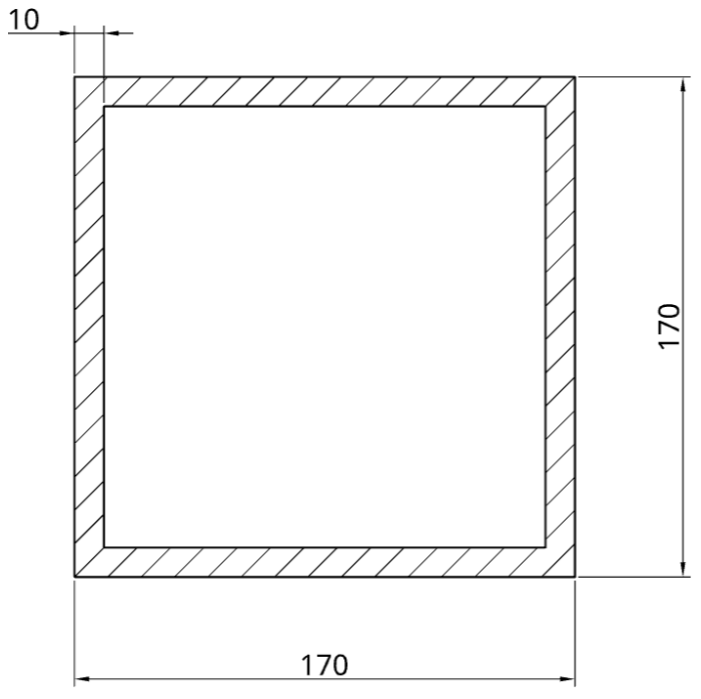
The base of the catapult must follow the standard drawing below. It is a wooden board that you will have to laser cut, 5 mm thick and measuring 170 × 170 mm. A 1 cm margin all round is reserved and must not be modified, to ensure compatibility with the system that fixes it to the playing table. In the loaded position, the machine must fit entirely within a 200 × 200 × 200 mm cube.
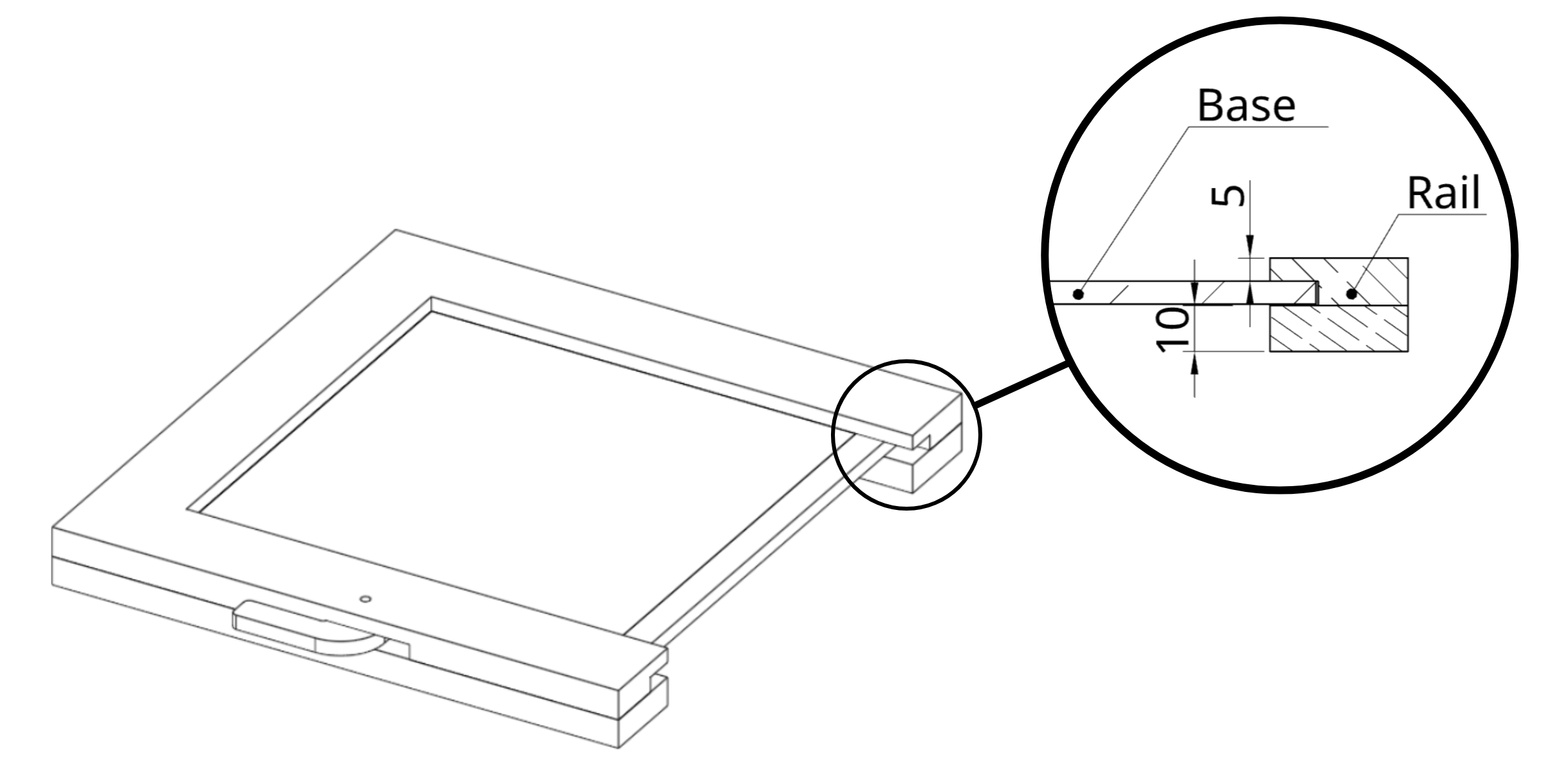

A rubber band or a spring will be provided and can be used as the energy source. Only mechanical energy from the elastic deformation of materials and from gravity is allowed. Any other energy source (electricity, compressed air, combustion and so on) is forbidden. The shot must be triggered by a 50 cm cord operated by hand.

Only the digital fabrication processes available at the MakerSpace are allowed. Screws and fasteners are allowed. Any other manufacturing technique is forbidden.

All parts must be fixed so as to avoid excessive play or unstable parts. All parts must be designed in CAD (no improvised assembly with tape or hot glue, for example). Mechanisms must pivot about defined, rigid axes. No part or projectile must be able to be ejected unexpectedly.

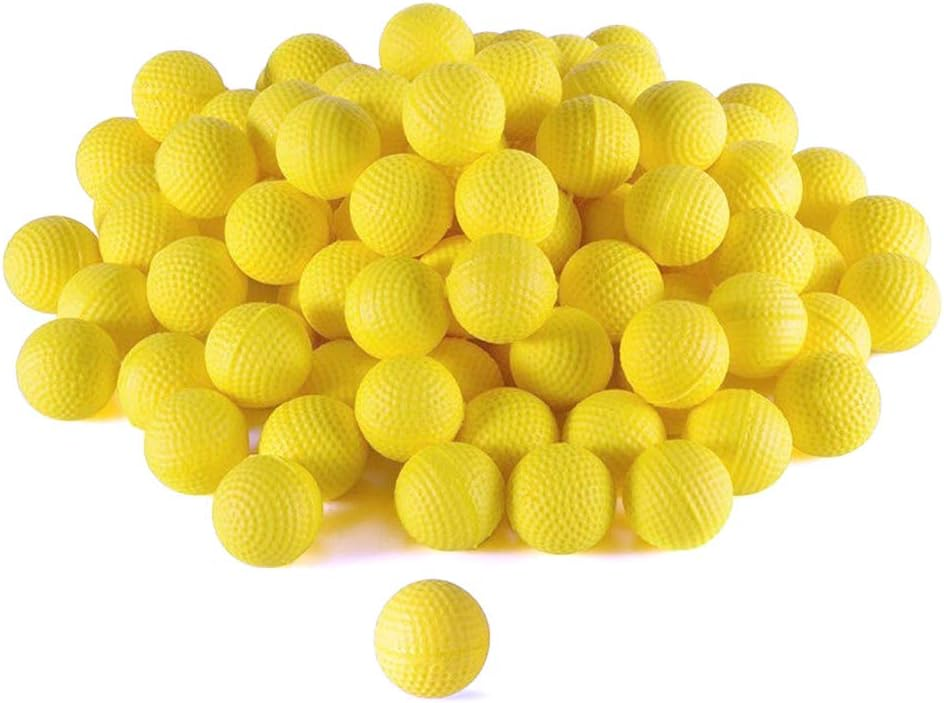
Shots must be approved beforehand by a supervisor and fired only towards the designated launch area. The materials used must have no sharp edges that could injure the user. Only the Nerf Rival foam balls provided are allowed as projectiles.
These rules are designed so that everyone can fully enjoy this project. Each rule exists because, one day, someone behaved inappropriately and made it necessary. Do not be that person.
Finally, be kind to one another: this project must remain a game!